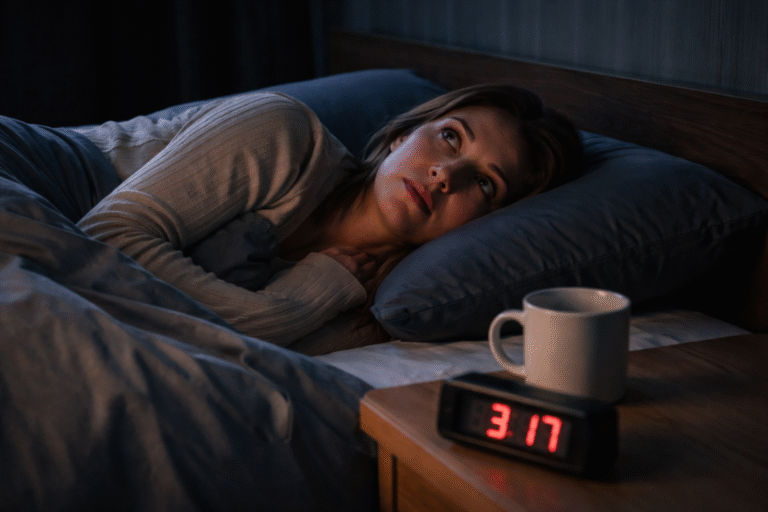
Do Night-Shift Workers Die Earlier?
What Science Really Says and How to Protect Your Health

Hospitals never close.
Neither do airports, factories, emergency services, or power plants.
Every night, millions of people work while the rest of the world sleeps. Nurses monitor patients, police officers patrol streets, and technicians keep critical systems running.
Night-shift workers are essential to modern society.
But decades of scientific research reveal an important question:
Does working at night affect long-term health and even life expectancy?
The honest answer is yes, but with important context. Research suggests that long-term night-shift work is associated with poorer sleep, higher cardiometabolic risk, and a modest increase in early mortality, particularly from cardiovascular disease.
The good news is that these risks are not inevitable. With the right strategies, many night-shift workers can maintain excellent health.
In this article, we explain:
• Why night work disrupts sleep
• Why long-term night shifts may affect health
• The biological mechanisms behind these effects
• Practical strategies to protect your health
Quick Summary
Research shows night-shift work may affect health because it:
• disrupts the body’s circadian rhythm
• shortens sleep duration
• suppresses melatonin production
• alters metabolism and hormone regulation
• increases risk of cardiometabolic disease
However, sleep protection, lifestyle habits, and medical monitoring can significantly reduce these risks.
Why the Human Body Struggles With Night Work
The human body runs on a 24-hour biological clock called the circadian rhythm.
This internal timing system regulates:
• sleep and wake cycles
• hormone release
• body temperature
• metabolism
• immune function
• cardiovascular activity
The circadian rhythm is strongly controlled by light exposure.
When sunlight enters the eyes, the brain signals the body to stay alert. When darkness falls, the brain releases melatonin, the hormone that prepares the body for sleep.
Night-shift work disrupts this natural system.
Instead of sleeping during darkness, night workers must stay awake. Instead of waking during daylight, they must try to sleep while the body expects activity.
This mismatch between biological timing and daily schedule is called circadian misalignment.
Circadian disruption is considered the central biological challenge of night-shift work.
Night-Shift Workers Often Sleep Less
One of the most consistent findings in sleep research is that daytime sleep is shorter than nighttime sleep.
Typical sleep duration looks like this:
| Worker Type | Average Sleep Duration |
| Day workers | 7–8 hours |
| Night-shift workers | 4–6 hours |
Even when night workers try to sleep longer, their sleep often ends early.
Several factors make daytime sleep difficult:
• sunlight suppresses melatonin
• environmental noise interrupts sleep
• family or social obligations reduce sleep time
• hormonal rhythms encourage wakefulness
As a result, many night-shift workers experience:
• difficulty falling asleep
• fragmented sleep
• early awakening
• unrefreshing sleep
Over time, these patterns can lead to chronic sleep deprivation.
Shift Work Sleep Disorder
For some individuals, sleep disruption becomes severe enough to be classified as Shift Work Sleep Disorder (SWSD).
This condition includes:
• insomnia when trying to sleep
• excessive sleepiness during waking hours
• impaired alertness and concentration
Shift Work Sleep Disorder is particularly common among workers with rotating or overnight schedules.
Why Long-Term Night Work May Affect Life Expectancy
Large epidemiological studies suggest that long-term night-shift work is associated with a modest increase in mortality risk.
Meta-analyses of cohort studies have found increased risks of:
• all-cause mortality
• cardiovascular disease mortality
• certain cancers
The increase in risk is generally small but statistically significant.
Cardiovascular disease appears to account for the largest portion of the increased mortality risk.
Circadian Disruption and Hormonal Changes
A key biological mechanism involves melatonin suppression.
Melatonin is produced in darkness and serves several important functions beyond sleep.
It helps regulate:
• immune function
• oxidative stress
• metabolic processes
• cell repair
Exposure to light during nighttime hours suppresses melatonin production.
Because night workers are frequently exposed to artificial light at night, their melatonin cycles may become disrupted.
For this reason, the International Agency for Research on Cancer (IARC) classifies night-shift work involving circadian disruption as “probably carcinogenic to humans.”
This classification does not mean that night workers will develop cancer, but it reflects biological evidence that circadian disruption may influence long-term disease risk.
Increased Cardiometabolic Risk
Research consistently shows that shift workers have higher rates of several cardiometabolic risk factors.
Studies report increased prevalence of:
• hypertension
• obesity
• insulin resistance
• type 2 diabetes
• abnormal cholesterol levels
• chronic inflammation
These conditions significantly increase the risk of heart disease and stroke.
One reason for this relationship is that circadian rhythms also regulate metabolism and digestion.
Eating during the biological night may impair glucose metabolism and increase fat storage.
Chronic Sleep Deprivation
Night-shift workers often experience long-term sleep restriction.
Even losing one or two hours of sleep per night can accumulate over the course of weeks and months.
Chronic sleep deprivation has been linked to:
• increased blood pressure
• impaired immune function
• higher levels of inflammation
• metabolic dysregulation
• mood disturbances
Over time, these physiological changes may contribute to the development of chronic disease.
Lifestyle Challenges of Night Work
Night schedules can also influence daily habits.
Night-shift workers may face challenges such as:
• irregular meal timing
• increased caffeine consumption
• reduced physical activity
• limited access to healthy foods overnight
• social isolation and stress
These lifestyle factors can further contribute to health risks.
How Night-Shift Workers Can Protect Their Health
Although night work creates unique challenges, research shows that several practical strategies can reduce health risks.
Small adjustments in sleep habits, light exposure, nutrition, and lifestyle can significantly improve long-term health.
1. Protect Your Sleep Environment
Creating a sleep environment that mimics nighttime conditions is essential.
Helpful strategies include:
• blackout curtains
• eye masks
• earplugs or white-noise machines
• cool bedroom temperatures
Darkness is particularly important because it supports melatonin production.
2. Manage Light Exposure
Light is the strongest signal controlling the circadian rhythm.
Night workers can use light strategically.
After finishing a shift:
• wear sunglasses during the commute home
• avoid bright sunlight before sleep
During the shift:
• Bright lighting can improve alertness and performance
Managing light exposure can help stabilize sleep patterns.
3. Maintain a Consistent Sleep Schedule
Consistency helps stabilize the body’s internal clock.
When possible:
• go to bed at the same time each day
• wake up at the same time each day
• minimize large schedule changes on days off
Even partial consistency can improve sleep quality.
4. Use Strategic Naps
Short naps can improve alertness and reduce fatigue.
Research suggests 20–30 minute naps before a shift or during breaks can improve performance without interfering with later sleep.
5. Optimize nutrition
Healthy nutrition is especially important for shift workers.
Helpful practices include:
• eating lighter meals during overnight shifts
• avoiding heavy meals late at night
• prioritizing whole foods
• staying hydrated
Some research suggests that aligning larger meals with daytime hours may support better metabolic health.
6. Exercise Regularly
Regular physical activity supports both sleep and cardiovascular health.
Health experts recommend at least 150 minutes of moderate physical activity per week.
Exercise also helps regulate stress hormones and improve mood.
7. Monitor Health Markers
Because night workers may face increased cardiometabolic risk, preventive healthcare is important.
Regular monitoring should include:
• blood pressure
• cholesterol levels
• blood glucose or HbA1c
• body weight and waist circumference
Early detection allows for early intervention.
8. Advocate for Healthier Work Schedules
Workplace scheduling can strongly influence fatigue and health.
Research suggests healthier shift patterns include:
• fewer consecutive night shifts
• at least 11 hours between shifts
• forward-rotating schedules (morning → evening → night)
Organizations that implement fatigue-risk management programs often see improvements in both worker health and safety.
The Bottom Line
Night-shift workers play a critical role in keeping modern society functioning.
However, working through the night challenges the body’s natural biological rhythms.
Research shows that long-term night-shift work is associated with:
• poorer sleep quality
• increased cardiometabolic risk
• a modest increase in mortality risk
These effects are largely driven by circadian disruption, sleep deprivation, and lifestyle factors.
Fortunately, many of these risks can be reduced.
Protecting sleep, managing light exposure, maintaining healthy habits, and monitoring health markers can significantly improve long-term outcomes.
With the right strategies, night-shift workers can continue their essential work while protecting their health and well-being.
References
- Kecklund, G., & Axelsson, J. (2016). Health consequences of shift work and insufficient sleep. BMJ, 355, i5210. https://doi.org/10.1136/bmj.i5210
- Vetter, C., Devore, E. E., Wegrzyn, L. R., Massa, J., Speizer, F. E., Kawachi, I., Rosner, B., Stampfer, M. J., & Schernhammer, E. S. (2016). Association between rotating night shift work and risk of coronary heart disease among women. JAMA, 315(16), 1726–1734. https://doi.org/10.1001/jama.2016.4454
- Torquati, L., Mielke, G. I., Brown, W. J., & Kolbe-Alexander, T. L. (2018). Shift work and the risk of cardiovascular disease: A systematic review and meta-analysis. European Journal of Epidemiology, 33(7), 609–620. https://doi.org/10.1007/s10654-018-0400-1
- Wang, X. S., Armstrong, M. E., Cairns, B. J., Key, T. J., & Travis, R. C. (2011). Shift work and chronic disease: The epidemiological evidence. Occupational Medicine, 61(2), 78–89. https://doi.org/10.1093/occmed/kqr001
- Åkerstedt, T. (2003). Shift work and disturbed sleep/wakefulness. Occupational Medicine, 53(2), 89–94. https://doi.org/10.1093/occmed/kqg046
- International Agency for Research on Cancer (IARC). (2019). Night Shift Work. IARC Monographs on the Identification of Carcinogenic Hazards to Humans, Volume 124. Lyon, France: World Health Organization.
- Puttonen, S., Härmä, M., & Hublin, C. (2010). Shift work and cardiovascular disease: Pathways from circadian stress to morbidity. Scandinavian Journal of Work, Environment & Health, 36(2), 96–108. https://doi.org/10.5271/sjweh.2894