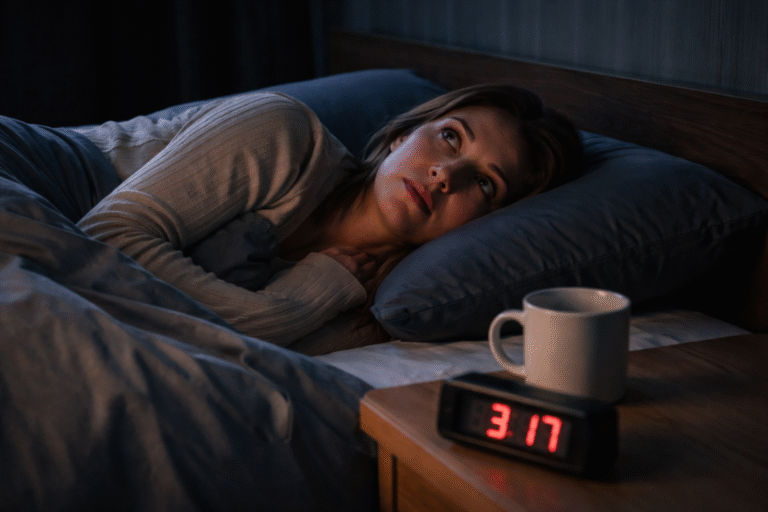
Do Night-Shift Workers Die Earlier?
Night-shift work is essential in modern society, but it can disrupt sleep and increase long-term health risks. Learn what science says about night work and how to protect your health.
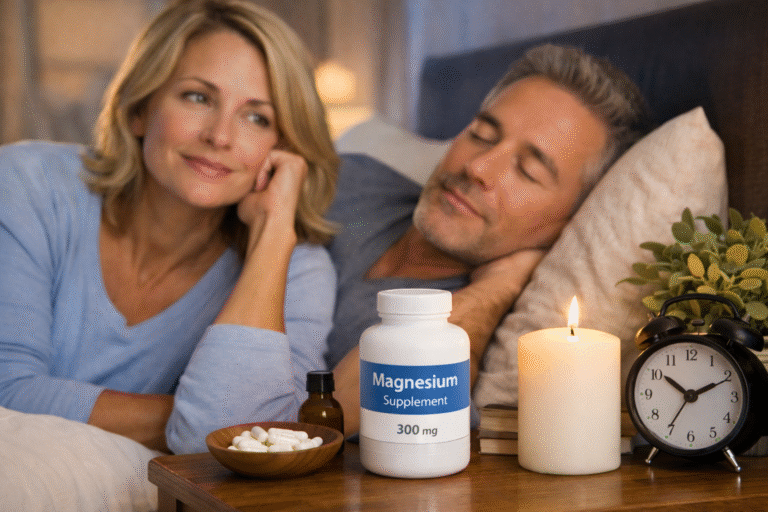
Magnesium is widely promoted as a natural solution for sleep problems and anxiety, but what does the scientific evidence actually show? Research suggests that magnesium plays an important role in the nervous system and may help support relaxation, sleep quality, and stress regulation. While it is not a sedative or a cure for anxiety, studies indicate that magnesium supplementation may provide modest benefits, especially for people with low magnesium intake, high stress levels, or poor sleep. In this article, we explore how magnesium affects the brain, what research says about its effectiveness, and how to use it safely as part of a healthy sleep routine.

Stress and anxiety are often used interchangeably, but they affect the brain and body in different ways. Understanding the difference can help explain why your mind won’t shut off at night—and why sleep becomes difficult when stress and worry take over.
Sleep is not passive rest, it is a highly organized biological process essential for brain function, metabolic balance, immune strength, and emotional regulation. Each night, your brain cycles through carefully regulated stages that restore cells, consolidate memory, and clear metabolic waste. Understanding how sleep works, and why it matters, is one of the most important steps toward protecting long-term health.
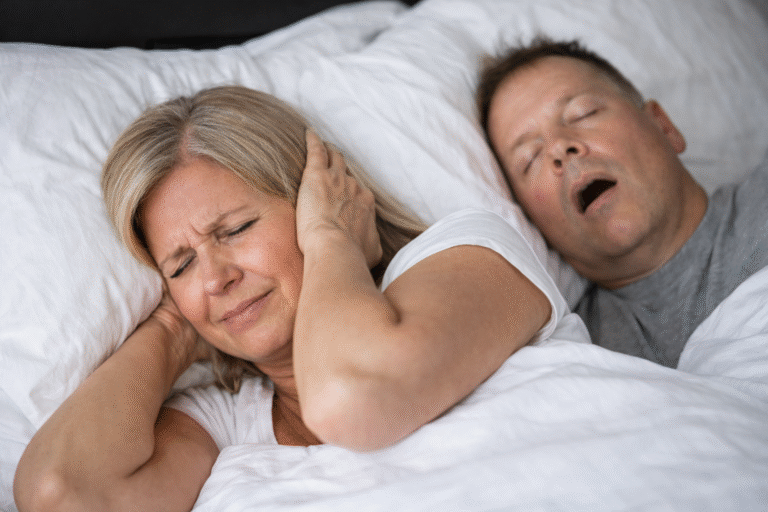
Sleep apnea is more than loud snoring. It is a serious medical condition that repeatedly interrupts breathing during sleep, lowering oxygen levels and straining the heart and brain. Many people live with it for years without knowing. Learn the warning signs, understand the risks, and discover evidence-based treatment options that can protect your long-term health.
Melatonin is not a sleeping pill. Learn what it really does to your body, when it helps, the right dose to use, and common mistakes to avoid.
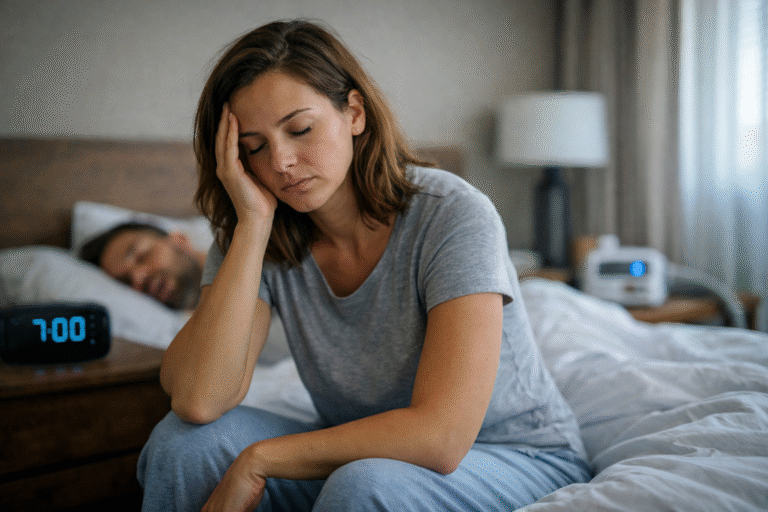
Still tired after sleeping 8 hours? Learn the real causes of waking up exhausted, from sleep quality and stress to circadian rhythm and medical factors.
Trusted, non-medical education
Creating a calm, warm sleep environment supports faster and better sleep. Can you really fall asleep in 10 minutes? There is no guaranteed medical method that makes everyone fall asleep in exactly 10 minutes. However, sleep doctors and many years of research show that certain evidence-based habits can help you fall asleep faster, often within…