Andes Virus: What to Know Without the Panic
This article is for informational purposes only and does not constitute medical advice. Please consult a qualified healthcare provider for personalized guidance.
When a rare virus starts making headlines, it can be hard to separate useful facts from fear. The Andes virus is a good example. It is serious, but uncommon. And while it has one feature that sets it apart from other hantaviruses, the best response is still clear information, not panic. The CDC says the Andes virus is a type of hantavirus that can cause Hantavirus Pulmonary Syndrome (HPS) and is the only hantavirus known to spread person-to-person.
The Andes virus is found mainly in South America. Most infections are linked to contact with infected rodents or with surfaces or dust contaminated by rodent urine, saliva, or feces. Person-to-person spread can happen, but current CDC guidance says this is usually limited to people who have close contact with a sick person, including direct physical contact, prolonged time in close or enclosed spaces, and exposure to body fluids.
Recent WHO and CDC updates in May 2026 brought the Andes virus back into the news after a multi-country cluster linked to cruise travel. WHO’s May 13, 2026, Disease Outbreak News update reported 11 cases, including three deaths, and assessed the risk to the global population as low.
What is the Andes virus?
The Andes virus belongs to the hantavirus family. In the Americas, hantaviruses can cause HPS, a dangerous illness that mainly affects the lungs but can also put major stress on the heart and circulation. A 2023 review in The Lancet Infectious Diseases describes hantavirus disease in humans as a severe zoonotic infection and notes that hantavirus cardiopulmonary syndrome in the Americas can progress rapidly.
Research suggests the main animal reservoir is a wild rodent, Oligoryzomys longicaudatus, also known as the long-tailed pygmy rice rat. Ecologic work from Chile and surrounding endemic areas links Andes virus risk to the distribution of rodent hosts and to certain rural, forested, and humid landscapes where people and rodents are more likely to overlap.
In other words, the Andes virus does not appear out of nowhere. Human cases usually reflect a mix of rodent ecology, environmental conditions, and human exposure.
How does the Andes virus spread?
Most infections start with rodent exposure.
Health experts recommend prioritizing rodent exposure because it remains the main way people become infected. The CDC says the Andes virus can spread through contact with infected rodents or their urine, saliva, or feces, or by touching an object or surface contaminated with the virus and then touching the mouth, nose, or eyes. WHO’s hantavirus fact sheet also says hantaviruses are usually transmitted through infected rodents or their excreta.
That means risk can rise during activities like:
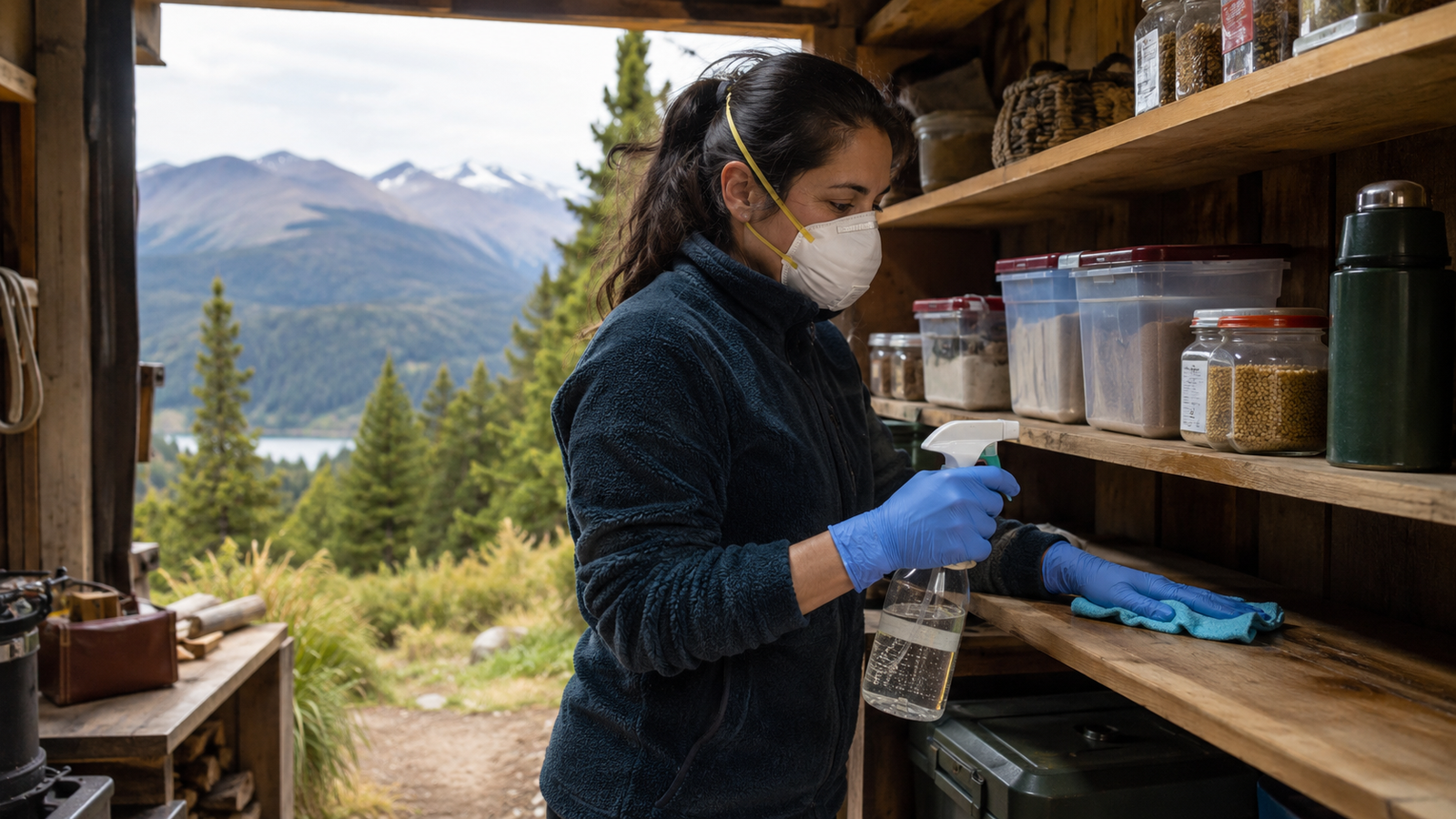
- cleaning cabins, sheds, barns, or storage spaces with rodent infestation
- sweeping or disturbing dry droppings
- camping or sleeping in rodent-infested places
- handling supplies stored where rodents nest
These are practical risk scenarios because the virus is usually transmitted by inhaling contaminated particles rather than through casual everyday contact.
Person-to-person spread can happen, but it appears limited
The Andes virus is unusual because it is the only hantavirus known to spread person to person. The CDC says this spread is usually limited to people who have close contact with a sick person.
Clinical evidence supports the possibility of close-contact spread. A major outbreak investigation in Argentina, published in The New England Journal of Medicine, described person-to-person transmission in a chain of 34 infections and suggested that a small number of highly infectious patients drove much of the spread.
At the same time, a systematic review in The Journal of Infectious Diseases found that the strongest available comparative evidence did not support frequent human-to-human transmission overall. That means the best reading of the evidence is careful and balanced: this route appears real, but uncommon.
A 2024 prospective study added important detail by finding viremia and viral shedding during acute Andes virus infection, including viral material in several body fluids. That helps explain why close contact may matter in some cases.
What about saliva, respiratory secretions, and sexual transmission?
Some studies indicate that saliva and respiratory secretions may play a role in transmission during acute illness. The 2024 prospective study supports that possibility by detecting viral material in oral and respiratory samples during infection.
There is also emerging evidence around semen. A 2023 study reported Andes virus RNA in semen long after infection in one patient. That finding is important, but it does not prove that sexual transmission is common. It is more accurate to say that early research hints at this possibility, and better studies are still needed.
Symptoms: why early illness can be easy to miss
One challenge with the Andes virus is that its early symptoms can resemble those of many other infections. The CDC says early symptoms can resemble those of the flu. It may include fever, fatigue, muscle aches, headaches, dizziness, chills, and abdominal symptoms such as nausea, vomiting, diarrhea, and abdominal pain. The CDC also says symptoms typically appear 4 to 42 days after exposure.
Common early symptoms include:
- fever
- fatigue
- muscle aches
- headache
- chills
- nausea, vomiting, or diarrhea
- stomach pain
- cough or chest discomfort
Because these symptoms overlap with many viral illnesses, exposure history matters; a recent stay in an endemic area, rodent exposure, or close contact with a confirmed case changes the level of concern.
When it becomes an emergency
HPS can worsen quickly. The CDC clinician brief says HPS can begin with flu-like symptoms and progress to more severe illness, including difficulty breathing, and that it is fatal in nearly 4 in 10 infected people.
Once the cardiopulmonary phase (the stage when the heart and lungs are under stress) begins, patients can deteriorate quickly and may need intensive care. The same CDC clinician brief notes that most patients develop hypotension (low blood pressure), pulmonary edema (fluid buildup in the lungs), and hypoxia (low blood oxygen levels), often requiring mechanical ventilation, and that early ECMO, a machine that can support the heart and lungs in critical illness, may improve survival in severe cases.
How serious is it?
The Andes virus is rare, but it can be very serious. A nine-year Argentine surveillance study reported a case-fatality rate of 21.4%, and clinical reviews and current CDC and WHO materials describe HPS as having fatality rates in the range of 20% to 40% or higher in some settings.
That is why the Andes virus is not a watch-and-wait-at-home kind of illness; if symptoms worsen after a real exposure, seek medical care. Fast evaluation matters.
How doctors diagnose the Andes virus
Diagnosis usually relies on laboratory testing. CDC’s current outbreak guidance says testing may include antibody testing and Andes virus-specific rRT-PCR, a lab test that looks for the virus’s genetic material.
In plain language, doctors may use:
- blood antibody tests, which look for the body’s immune response
- PCR tests, which look directly for the virus’s genetic material
Clinical reviews also note that some blood smear findings can raise suspicion quickly, but confirmatory lab testing is still important.
Treatment: what helps and what does not
There is no specific approved antiviral treatment or vaccine for the Andes virus. The CDC says early medical care is critical and that care is centered on managing symptoms. WHO’s hantavirus fact sheet likewise notes that there are no specific antiviral medicines recommended for hantavirus disease and that supportive care is central.
Supportive care may include:
- oxygen
- close hospital monitoring
- careful fluid management
- medicines to support blood pressure
- Mechanical ventilation if breathing fails
- ECMO (extracorporeal membrane oxygenation) is a machine that can support the heart and lungs in critical illness
Older clinical reviews suggest that the antiviral drug ribavirin is unlikely to be effective once patients are in the cardiopulmonary phase of New World hantavirus disease. Because of that, clinicians focus on rapid recognition and high-level supportive care instead of relying on a drug with no proven benefit at that stage.
Prevention: practical steps that lower risk
The good news is that, in principle, prevention is fairly direct.
Reduce rodent exposure
Health experts recommend:
- sealing openings where rodents can enter buildings
- storing food in rodent-proof containers
- securing trash
- Reducing clutter where rodents can nest
- Avoiding dry sweeping of droppings
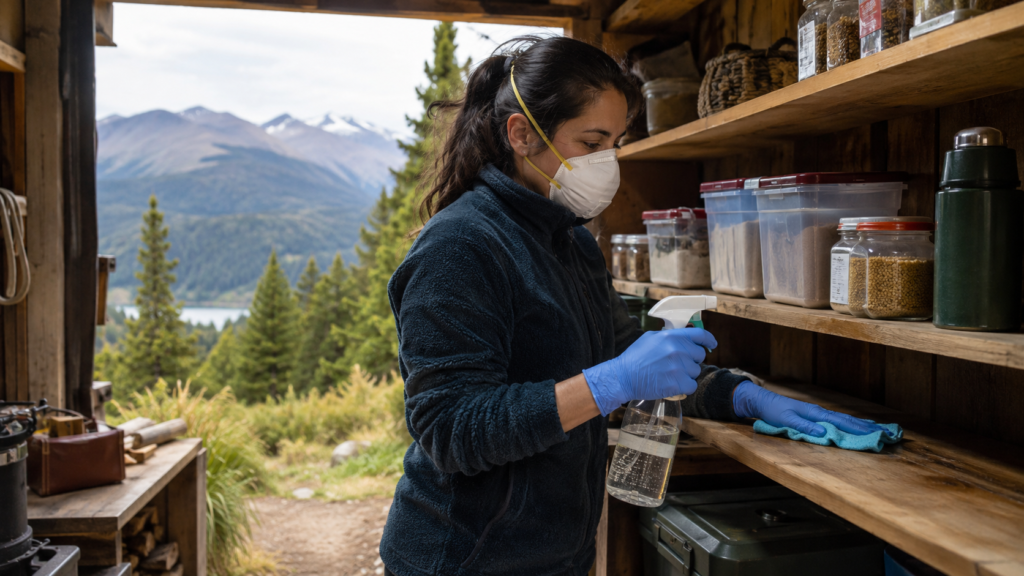
- using safer wet-cleaning methods for contaminated areas
These steps matter because most infections still begin with rodent exposure, not exposure to another person.
Take close-contact precautions when the Andes virus is suspected
The CDC’s May 14, 2026, interim guidance recommends symptom monitoring and risk-based management for contacts during the current outbreak. In healthcare settings, it recommends airborne infection isolation rooms and the use of a NIOSH-approved N95 or higher-level respirator for suspected or confirmed cases.
For the general public, the CDC advises avoiding kissing and sexual contact with someone who may have the Andes virus, avoiding shared drinks, cigarettes, hookah, or vapes, avoiding shared utensils or plates, washing hands often, and maintaining distance from someone who may have the virus.
What recent headlines got right — and what they often miss
Headlines tend to spotlight the scariest parts: a rare virus, severe illness, and possible person-to-person spread. But they often leave out the balancing facts.
Here is the fuller picture:
- The Andes virus is serious, but rare.
- Most infections are still linked to rodents.
- Close-contact spread can happen, but it appears limited.
- Early symptoms are easy to miss because they can look like the flu.
- Fast medical care matters because severe disease can develop quickly.
That balance matters. Overstating the risk can create panic and stigma. Understating it can delay care when a real exposure has occurred.
What to do if you think you were exposed
Do not panic, but do take exposure seriously.
Seek medical attention promptly if you:
- had likely rodent exposure in an endemic area and then developed flu-like symptoms
- had close contact with a confirmed or suspected Andes virus case and then became sick
- developed shortness of breath, chest tightness, or sudden worsening after a possible exposure
The CDC says that if you think you had contact with a person with the Andes virus and are experiencing symptoms, you should contact a medical professional immediately.
Practical takeaways
If you remember only a few things, let them be these:
- The Andes virus is rare, but it can be very serious.
- Most infections still begin with exposure to rodents.
- Close person-to-person spread is possible but appears uncommon and is usually linked to close contact.
- Early symptoms can look like the flu.
- Breathing problems after a possible exposure are a medical emergency.
- There is no proven cure, so early supportive care matters.
FAQ
Is the Andes virus the same as hantavirus?
Not exactly. The Andes virus is one specific hantavirus. It is one of the hantaviruses in the Americas that can cause Hantavirus Pulmonary Syndrome, or HPS.
Can the Andes virus spread through the air between strangers?
Current evidence does not support casual airborne spread between strangers in everyday settings. Most infections are linked to rodent exposure, and person-to-person spread appears limited to close-contact situations rather than casual public contact.
What are the first warning signs?
Early signs often include fever, headache, muscle aches, fatigue, nausea, vomiting, diarrhea, cough, or chest discomfort. Trouble breathing or sudden worsening after a possible exposure is an emergency.
Is there a cure?
There is no specific approved antiviral cure for the Andes virus. Treatment is supportive and may require hospital or ICU care, especially once severe lung or heart stress begins.
Reliable health information should help you feel informed, not frightened. Andes virus is rare, but accurate information matters when headlines move fast.
Save this article so you have accurate information if the Andes virus comes up in the news again. Share it with someone who wants facts without the fear.
This article is for informational purposes only and does not constitute medical advice. Please consult a qualified healthcare provider for personalized guidance.
References
Alonso, D. O., Iglesias, A. A., Coelho, R. M., Periolo, N., Bruno, A., et al. (2019). Epidemiological description, case-fatality rate, and trends of Hantavirus Pulmonary Syndrome: 9 years of surveillance in Argentina. Journal of Medical Virology, 91(7), 1173–1181. https://doi.org/10.1002/jmv.25446
Astorga, F., Escobar, L. E., Poo-Muñoz, D., Escobar-Dodero, J., Rojas-Hucks, S., Alvarado-Rybak, M., et al. (2018). Distributional ecology of Andes hantavirus: A macroecological approach. International Journal of Health Geographics, 17, 22. https://doi.org/10.1186/s12942-018-0142-z
Centers for Disease Control and Prevention. (2026a, May 9). About the Andes virus. https://www.cdc.gov/hantavirus/about/andesvirus.html
Centers for Disease Control and Prevention. (2026b, May 8). Clinician brief: Hantavirus pulmonary syndrome (HPS). https://www.cdc.gov/hantavirus/hcp/clinical-overview/hps.html
Centers for Disease Control and Prevention. (2026c, May 14). Interim guidance for public health assessment and management of people with potential exposure to Andes virus. https://www.cdc.gov/hantavirus/php/emergency-guidance/index.html
Ferrés, M., Martínez-Valdebenito, C., Henríquez, C., Marco, C., Angulo, J., Barrera, A., et al. (2024). Viral shedding and viremia of Andes virus during acute hantavirus infection: A prospective study. The Lancet Infectious Diseases, 24(7), 775–782. https://doi.org/10.1016/S1473-3099(24)00142-7
Martínez, V. P., Di Paola, N., Alonso, D. O., Pérez-Sautu, U., Bellomo, C. M., Iglesias, A. A., et al. (2020). “Super-spreaders” and person-to-person transmission of Andes virus in Argentina. The New England Journal of Medicine, 383(23), 2230–2241. https://doi.org/10.1056/NEJMoa2009040
Mertz, G. J., Hjelle, B., Crowley, M., Iwamoto, G., Tomicic, V., & Vial, P. A. (2006). Diagnosis and treatment of new world hantavirus infections. Current Opinion in Infectious Diseases, 19(5), 437–442. https://doi.org/10.1097/01.qco.0000244048.38758.1f
Toledo, J., Haby, M. M., Reveiz, L., Sosa Leon, L. A., Angerami, R. N., & Aldighieri, S. (2022). Evidence for human-to-human transmission of hantavirus: A systematic review. The Journal of Infectious Diseases, 226(8), 1362–1371. https://doi.org/10.1093/infdis/jiab461
Vial, P. A., Ferrés, M., Vial, C., Klingström, J., Ahlm, C., López, R., Le Corre, N., & Mertz, G. J. (2023). Hantavirus in humans: A review of clinical aspects and management. The Lancet Infectious Diseases, 23(9), e371–e382. https://doi.org/10.1016/S1473-3099(23)00128-7
World Health Organization. (2026a, May 6). Hantavirus. https://www.who.int/news-room/fact-sheets/detail/hantavirus
World Health Organization. (2026b, May 13). Hantavirus cluster linked to cruise ship travel, multi-country. https://www.who.int/emergencies/disease-outbreak-news/item/2026-DON601
Züst, R., Ackermann-Gäumann, R., Liechti, N., Siegrist, D., Ryter, S., Portmann, J., et al. (2023). Presence and persistence of Andes virus RNA in human semen. Viruses, 15(11), 2266. https://doi.org/10.3390/v15112266