Ultra-Processed Foods: What Families Should Know
What research tells us about children’s health, chronic disease, and the foods families eat every day.

It’s 7:30 on a school morning. You’re packing lunches, helping the kids get dressed, and trying to find something quick for breakfast. Cereal and packaged snacks make the morning easier. Maybe there’s a frozen meal waiting for dinner, too.
For many families, convenience foods help make busy days manageable. But researchers want to know: What happens when ultra-processed foods make up most of what we eat?
According to the Centers for Disease Control and Prevention (CDC), American children and teens got an average of 61.9% of their daily calories from ultra-processed foods between August 2021 and August 2023. For adults, the figure was 53% (Williams et al., 2025).
There has been some improvement. Among young people, the percentage dropped from 65.6% in 2017–2018. Adult consumption also declined from 55.8% in 2013–2014.
However, the latest survey used a different method of collecting dietary information. Part of the decline may reflect that change, so the numbers are encouraging but don’t establish a firm downward trend.
Here’s what scientists have learned and how families can use that knowledge.
What are ultra-processed foods?
Almost everything we eat goes through some processing. Examples include cooking rice, freezing vegetables, and canning beans.
Researchers often use the NOVA classification system, which places foods into four groups based on how they’re processed.
Ultra-processed foods are generally industrial products made with ingredients or additives that aren’t commonly used in home kitchens.
Examples include:
- Sugary soft drinks and sweetened beverages
- Packaged cookies and pastries
- Many sweetened breakfast cereals
- Instant noodles and some frozen meals
- Certain packaged breads and buns
- Some processed meats and packaged snacks
These products are convenient and widely available. Their long shelf life also helps families who can’t shop frequently.
Their nutritional value varies. Some contain large amounts of added sugar, sodium, or saturated fat. Others provide useful nutrients.
For example, certain packaged whole-grain breads are considered ultra-processed under NOVA but still contain fiber. Looking at the nutrition label alongside the ingredient list gives you a better picture of what you’re buying.
What does research say about the health risks?
A major 2024 umbrella review published in The BMJ examined 45 pooled analyses involving nearly 9.9 million participants across the underlying studies.
Researchers found associations between higher ultra-processed food consumption and several health concerns, including type 2 diabetes, obesity, and cardiovascular disease-related deaths (Lane et al., 2024).
Some associations met the researchers’ criteria for convincing statistical evidence, including cardiovascular disease-related mortality and type 2 diabetes.
However, the quality of the underlying evidence was often limited.
Using a rating system called GRADE, researchers classified 22 pooled analyses as low quality, 19 as very low quality, and four as moderate quality. None received a high-quality rating.
Most studies were observational. They tracked people’s diets and health outcomes but couldn’t fully separate the effects of food processing from other factors, such as income, physical activity, or overall diet quality.
What happened when scientists tested the diets directly?
In 2019, researchers at the National Institutes of Health studied 20 adults under controlled conditions.
Each participant followed an ultra-processed diet for two weeks and an unprocessed diet for another two weeks. The diets offered similar amounts of calories, sugar, fat, fiber, protein, and sodium.
Participants could eat as much or as little as they wanted. During the ultra-processed diet, they ate approximately 500 additional calories per day. They gained weight during that period and lost weight during the unprocessed period (Hall et al., 2019).
The study was small and lasted only four weeks. Still, it provides experimental evidence that ultra-processed diets can increase calorie intake and short-term weight gain.
Researchers are continuing to explore whether food texture, eating speed, and other characteristics help explain these effects.
How do ultra-processed foods affect children?
Children need nutrients that support their growing bones, muscles, and brains. When sweetened drinks and packaged snacks make up much of their diet, nutritious foods may get pushed aside.
A 2025 narrative review examined research on ultra-processed foods and children’s health. It described associations with excess weight gain, unhealthy cholesterol levels, and insulin resistance (Chamarthi et al., 2025).
Insulin is a hormone that helps the body use sugar for energy. Insulin resistance occurs when the body’s cells don’t respond as well to it as they should. Over time, this can contribute to type 2 diabetes.
Researchers are also studying possible connections with children’s gut health, sleep, and emotional well-being. These findings are still developing.
Parents can help children build healthier eating habits through everyday routines. Preparing meals together, offering a variety of foods, and keeping nutritious snacks available can make a difference.
Food conversations should stay positive. Children benefit from learning how foods nourish their bodies without feeling ashamed of their weight or what they enjoy eating.
What about adult health?
Research has identified several possible long-term effects of diets high in ultra-processed foods.
Heart health and diabetes
Higher consumption is associated with increased risks of type 2 diabetes and certain cardiovascular outcomes, including heart disease-related deaths (Lane et al., 2024).
Some products contain high amounts of sodium or saturated fat, which can affect blood pressure and cholesterol. Frequent consumption of sugary drinks may also contribute to poor metabolic health. Scientists are still examining how much of the observed risk comes from processing itself.
Weight gain
Some ultra-processed foods can be eaten quickly and may be less filling. This may encourage people to eat more calories before feeling satisfied.
The NIH experiment supports this explanation in the short term, although its findings don’t apply equally to every packaged food (Hall et al., 2019).
Mental health
The 2024 BMJ umbrella review found statistically convincing associations between higher ultra-processed food consumption and anxiety-related outcomes, as well as combined common mental health conditions (Lane et al., 2024).
However, these findings came largely from observational research, and the GRADE ratings were low. Researchers haven’t established that ultra-processed foods directly cause anxiety or depression.
Stress, sleep, income, and other health factors may influence both eating habits and mental well-being.
Long-term mortality
A 2024 study followed more than 114,000 American adults and found a modest association between higher ultra-processed food consumption and increased risk of death (Fang et al., 2024).
The strongest food-category associations involved ready-to-eat meat, poultry, and seafood products, including processed meats.
Both sugar-sweetened and artificially sweetened beverages were associated with higher all-cause mortality. The association was generally stronger for sugary drinks. These observational findings don’t prove that either type of beverage caused the deaths.
The researchers also examined how overall diet quality influenced the findings. Within groups with similar diet-quality scores, they found no consistent association between ultra-processed food intake and mortality.
People who ate healthier overall diets generally had lower mortality risk, even when their ultra-processed food intake was similar.
These findings suggest that the nutritional quality of the entire diet matters. They don’t prove that a healthy diet cancels out every potential risk of ultra-processed foods.
Why healthy eating can be difficult for families
Imagine a parent getting home from an evening shift with hungry children waiting for dinner. A meal that takes five minutes to prepare may be the only practical option.
Food choices depend on grocery prices, work schedules, transportation, and neighborhood stores. Some families have limited access to affordable fresh produce or enough kitchen space to cook regularly.
A systematic review found that ultra-processed food consumption differs across demographic and socioeconomic groups, though patterns vary by country (Dicken et al., 2024).
CDC data also show that American adults in the highest-income group consumed a smaller share of calories from ultra-processed foods than adults in lower-income groups (Williams et al., 2025).
Healthy food needs to cost less and be easier to find. Making nutritious school meals more widely available and improving access to affordable groceries could help.
Six practical ways to improve family meals
You can make changes using foods your family already knows and enjoys.
1. Replace one sugary drink
If your family regularly drinks soda or sweetened beverages, try replacing one serving with water.
Add lemon, cucumber, or fruit slices for flavor. Unsweetened tea is another option for adults.
2. Give breakfast a simple upgrade
Plain oatmeal with fruit is an affordable breakfast that provides fiber.
Eggs, plain yogurt, or homemade bean dishes can also work. Whole-grain toast may be a useful choice, even when it’s classified as ultra-processed, depending on its nutritional content.
3. Choose snacks with simpler ingredients
Try sliced fruit, plain yogurt, or peanut butter made with only peanuts and salt.
For children under 4, avoid whole nuts because they pose a choking risk. Thick spoonfuls of peanut butter can also be difficult to swallow. Spread it thinly or mix it into an age-appropriate food.
Always consider your child’s allergies and chewing ability.
4. Stock affordable kitchen staples
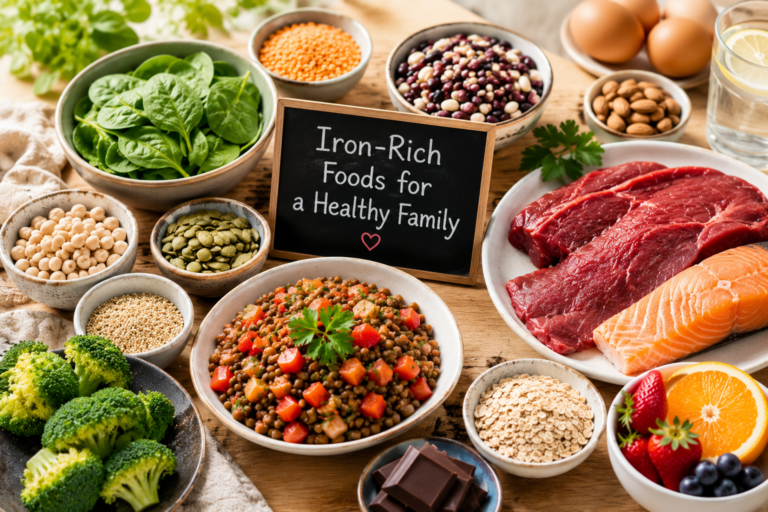
Beans, lentils, oats, eggs, rice, frozen vegetables, and canned fish can help families prepare nutritious meals on a budget.
Frozen vegetables often provide similar nutrients to fresh options and last longer. Rinse canned beans to reduce some of their sodium.
5. Build on your family’s traditional foods
Many traditional meals already include nutritious ingredients.
For Haitian families, diri ak pwa (rice and beans) served with legim (vegetable stew) can make a satisfying meal. Families can adjust the ingredients and preparation methods to meet their needs.
West African families might serve rice with vegetables and fish. South Asian households may enjoy dal, while Latin American families might prepare meals around beans, corn tortillas, and vegetables.
Keep the dishes your family loves and look for ways to include more vegetables or other nutrient-rich ingredients.
6. Read nutrition labels
Compare similar products for added sugar, sodium, saturated fat, and fiber.
Two breakfast cereals may look similar but contain very different amounts of sugar. The same can be true for breads and sauces.
The Dietary Guidelines for Americans, 2025–2030 recommend prioritizing nutrient-dense foods and reducing highly processed foods, especially those containing excess added sugar or sodium (U.S. Department of Health and Human Services & U.S. Department of Agriculture, 2026).
A family-friendly food-swap guide
| Instead of regularly choosing… | Try more often… |
| Sugary breakfast cereal | Plain oatmeal with fruit |
| Soda or sweetened fruit drinks | Water or unsweetened beverages |
| Packaged cookies every afternoon | Fruit with plain yogurt |
| Sweetened nut spreads | Peanut butter made from peanuts and salt |
| Instant noodles alone | Noodles with added vegetables and protein |
| Packaged snack mixes | Fruit or age-appropriate seed and nut options |
For young children, prepare all snacks in safe sizes and textures. Avoid whole nuts under age 4, and follow guidance for food allergies.
Frequently asked questions
Are frozen and canned foods ultra-processed?
Many aren’t. Plain frozen vegetables, frozen fruit without added ingredients, and canned beans are convenient foods that can support good nutrition.
Some frozen meals and heavily formulated canned products may be classified as ultra-processed. Check the ingredients and nutrition information.
Does eating ultra-processed food occasionally harm your health?
Research focuses mainly on overall eating patterns rather than occasional servings.
Having a packaged snack or convenience meal from time to time doesn’t determine your future health. What you eat regularly, along with other lifestyle and health factors, matters more.
A healthier routine starts with one choice.
Research gives us good reasons to pay attention to ultra-processed foods, even as scientists continue studying their long-term effects.
This week, look at one meal or snack your family eats regularly. Could you add fruit, include more vegetables, or choose an option with less added sugar?
At CareThrive, we believe every family deserves trustworthy nutrition information and access to food that supports good health.
Share this article with someone who cares for a family, and explore more CareThrive resources on nutrition and chronic disease prevention.
This article is for informational purposes only and does not constitute medical advice. Please consult a qualified healthcare provider for personalized guidance.
References
Chamarthi, V. S., Shirsat, P., Sonavane, K., Parsi, S., Ravi, U., Ponnam, H. C., Bindlish, S., Nadler, E. P., Kashyap, R., & Ro, S. (2025). The impact of ultra-processed foods on pediatric health. Obesity Pillars, 16, 100203. https://doi.org/10.1016/j.obpill.2025.100203
Dicken, S. J., Qamar, S., & Batterham, R. L. (2024). Who consumes ultra-processed food? A systematic review of sociodemographic determinants of ultra-processed food consumption from nationally representative samples. Nutrition Research Reviews, 37(2), 416–456. https://doi.org/10.1017/S0954422423000240
Fang, Z., Rossato, S. L., Hang, D., Khandpur, N., Wang, K., Lo, C.-H., Willett, W. C., Giovannucci, E. L., & Song, M. (2024). Association of ultra-processed food consumption with all-cause and cause-specific mortality: Population-based cohort study. BMJ, 385, e078476. https://doi.org/10.1136/bmj-2023-078476
Hall, K. D., Ayuketah, A., Brychta, R., Cai, H., Cassimatis, T., Chen, K. Y., Chung, S. T., Costa, E., Courville, A., Darcey, V., Fletcher, L. A., Forde, C. G., Gharib, A. M., Guo, J., Howard, R., Joseph, P. V., McGehee, S., Ouwerkerk, R., Raisinger, K., . . . Zhou, M. (2019). Ultra-processed diets cause excess calorie intake and weight gain: An inpatient randomized controlled trial of ad libitum food intake. Cell Metabolism, 30(1), 67–77.e3. https://doi.org/10.1016/j.cmet.2019.05.008
Lane, M. M., Gamage, E., Du, S., Ashtree, D. N., McGuinness, A. J., Gauci, S., Baker, P., Lawrence, M., Rebholz, C. M., Srour, B., Touvier, M., Jacka, F. N., O’Neil, A., Segasby, T., & Marx, W. (2024). Ultra-processed food exposure and adverse health outcomes: Umbrella review of epidemiological meta-analyses. BMJ, 384, e077310. https://doi.org/10.1136/bmj-2023-077310
U.S. Department of Health and Human Services, & U.S. Department of Agriculture. (2026). Dietary guidelines for Americans, 2025–2030 (10th ed.). https://realfood.gov/
Williams, A. M., Couch, C. A., Emmerich, S. D., & Ogburn, D. F. (2025). Ultra-processed food consumption in youth and adults: United States, August 2021–August 2023. NCHS Data Brief, 536, 1–11. https://www.cdc.gov/nchs/products/databriefs/db536.htm