
How to Fall Asleep Faster: A Doctor-Backed Method That Actually Works
Trusted, non-medical education
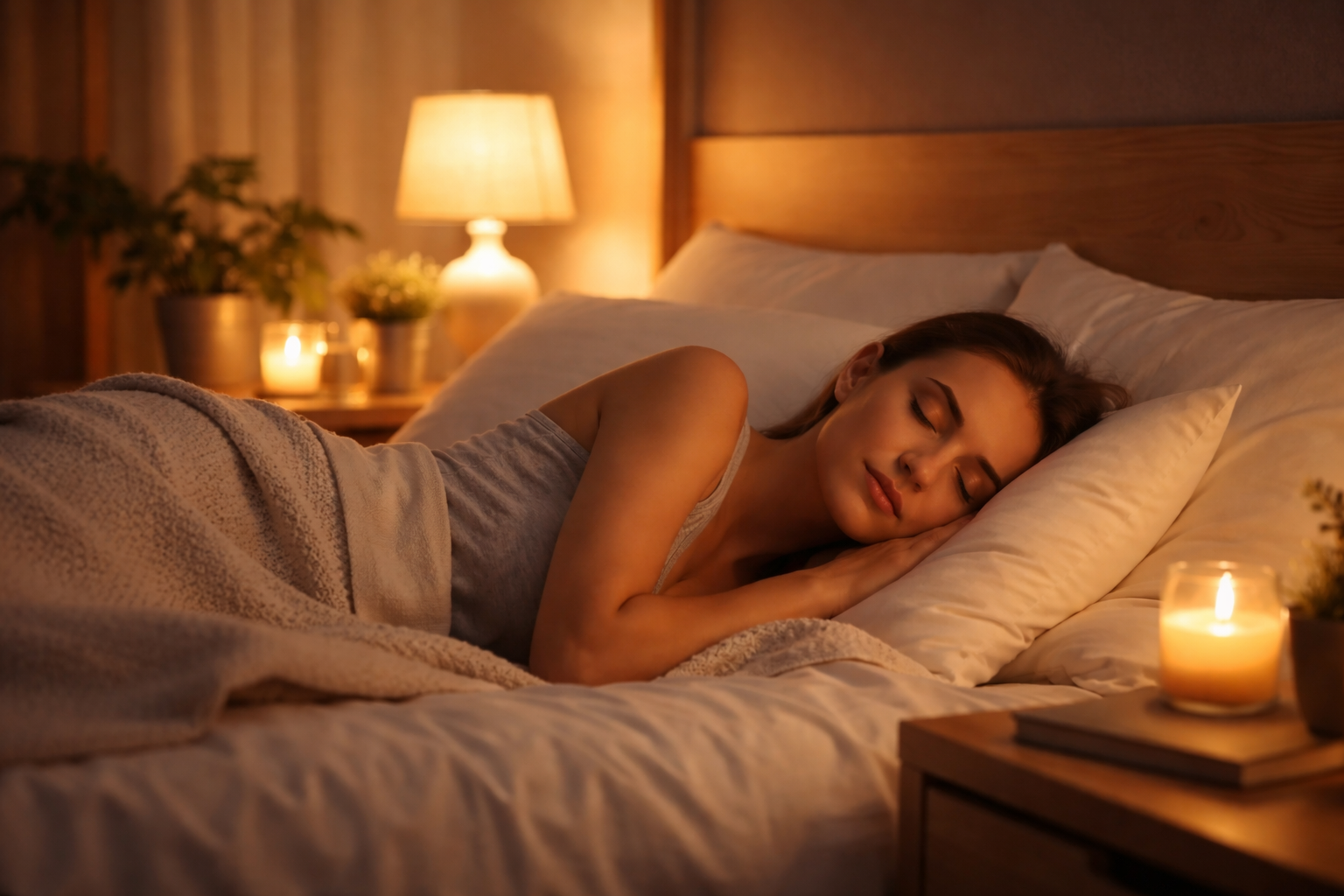
Can you really fall asleep in 10 minutes?
There is no guaranteed medical method that makes everyone fall asleep in exactly 10 minutes.
However, sleep doctors and many years of research show that certain evidence-based habits can help you fall asleep faster, often within just a few days.
At CareThrive, we focus on simple, science-backed solutions you can safely use at home.
Why falling asleep feels so hard today
Many people feel tired but still can’t fall asleep. This happens because the brain stays in “alert mode” even when the body wants to rest.
Common reasons include:
- Screens and blue light
- Stress and racing thoughts
- Irregular sleep schedules
- Night or shift work
- Late caffeine or heavy meals
Sleep is not something you can force.
Sleep happens when the body and brain feel safe, calm, and ready.
The 2-Step, Doctor-Recommended Method to Fall Asleep Faster
Step 1: Trigger the body’s natural sleep signal
(1–2 hours before bed)
🚿 Take a warm shower or bath
How to do it
- Time: 10–30 minutes
- Temperature: Warm and comfortable (not hot)
- Finish 1–2 hours before bedtime
Why this works
Warm water raises your skin temperature.
After you get out, your core body temperature slowly drops.
This temperature drop sends a strong signal to your brain that it’s time to sleep.
What research shows
- You fall asleep faster
- Sleep is deeper and more efficient
- Overall sleep quality improves
This is one of the strongest non-medication sleep findings in sleep science.
Step 2: Calm the brain before bed
(Last 10–20 minutes of the night)
Choose one option below. You do not need to do all of them.
🧠 Slow breathing or mindfulness
- Inhale for 4 seconds
- Exhale for 6–8 seconds
- Repeat for 5–10 minutes
This helps lower stress hormones and quiet racing thoughts.
🎵 Relaxing music
- Slow tempo
- Instrumental or no lyrics
- Low volume
Relaxing music helps calm the mind and prepare the brain for sleep.
💆 Back or shoulder massage
Even 3–20 minutes of gentle massage can help the nervous system relax and shift into rest mode.
🌿 Aromatherapy (supportive)
Lavender-based scents may help improve how well you feel you sleep, especially when used with other calming habits.
What doctors advise avoiding
These habits make falling asleep harder:
- Forcing yourself to sleep
- Watching the clock
- Staying in bed awake for long periods
- Using alcohol as a sleep aid
- Late-night scrolling on your phone
All of these keep the brain alert instead of relaxed.
The long-term solution doctors recommend: CBT-I
Cognitive Behavioral Therapy for Insomnia (CBT-I) is the most recommended non-drug treatment for long-term sleep problems.
It focuses on:
- Consistent wake-up times
- Strong sleep routines
- Healthy sleep behaviors
CBT-I improves sleep quality and helps people fall asleep faster—without medication.
CareThrive Takeaway
There is no magic trick for instant sleep.
But science is very clear:
A warm shower or bath, followed by a calm, screen-free wind-down routine, is one of the most effective, doctor-approved ways to fall asleep faster and sleep better.
Sleep is not forced.
Sleep is supported.
Disclaimer
This content is for educational purposes only. It does not replace medical advice. If sleep problems continue, consult a qualified healthcare professional.