What It Means When Your Child Is Always Tired After School
This article is for informational purposes only and does not constitute medical advice. Please consult a qualified healthcare provider for personalized guidance.
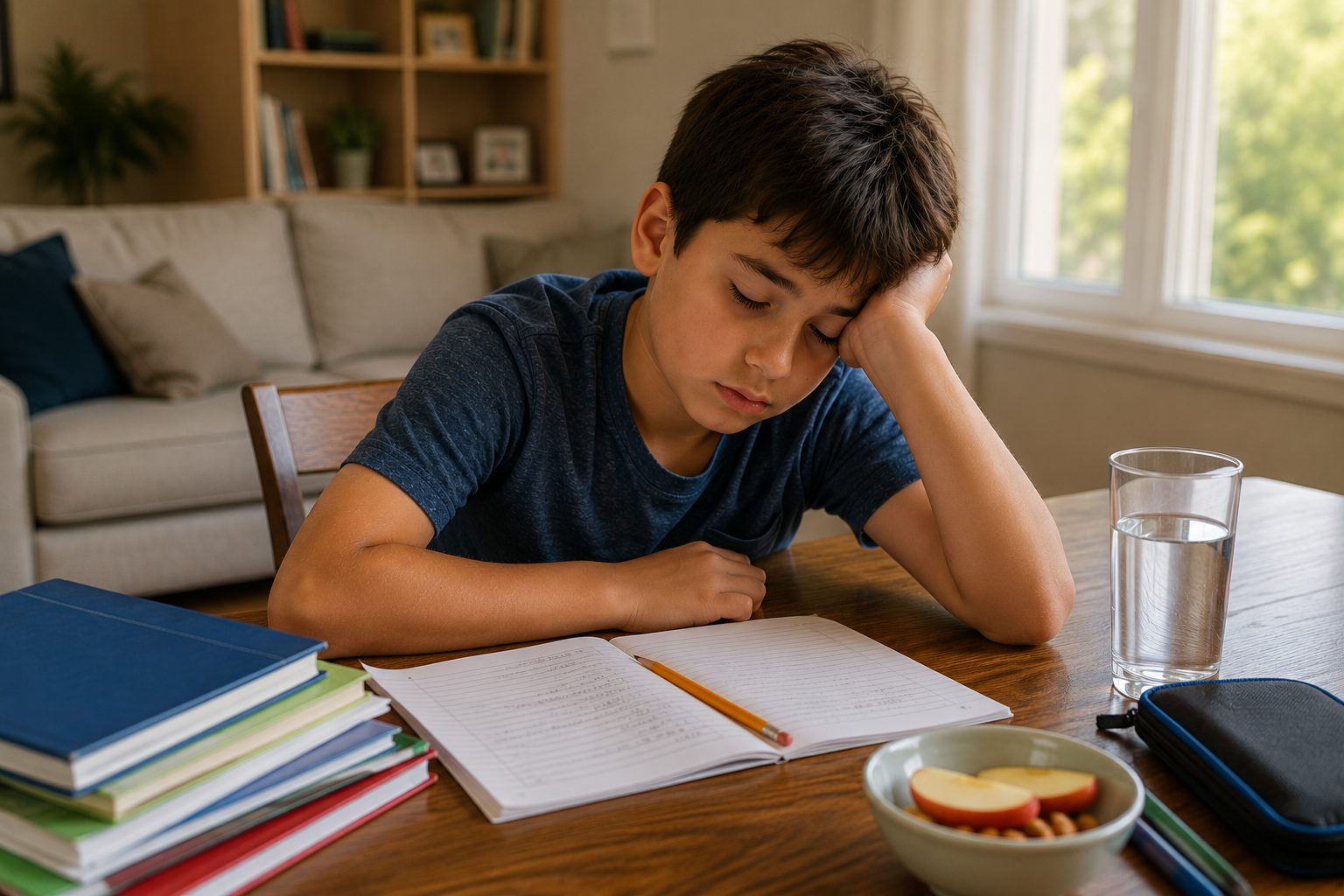
Your child gets home from school and melts into the couch. They are too tired to talk, too tired for homework, and maybe even too tired to enjoy things they usually like. For many families, this happens once in a while. But when it happens almost every day, it can start to feel worrying.
The good news is that after-school tiredness is common, and it often does not point to a serious illness. More often, it reflects a mix of everyday factors, such as insufficient sleep, inconsistent bedtimes, school-related stress, heavy evening screen use, low physical activity, or an overloaded weekly schedule. Medical issues like anemia, depression, and sleep disorders can also cause fatigue, especially when tiredness is severe, persistent, or comes with other symptoms.
The best place to start is with the full picture. Tiredness after school usually has more than one cause.
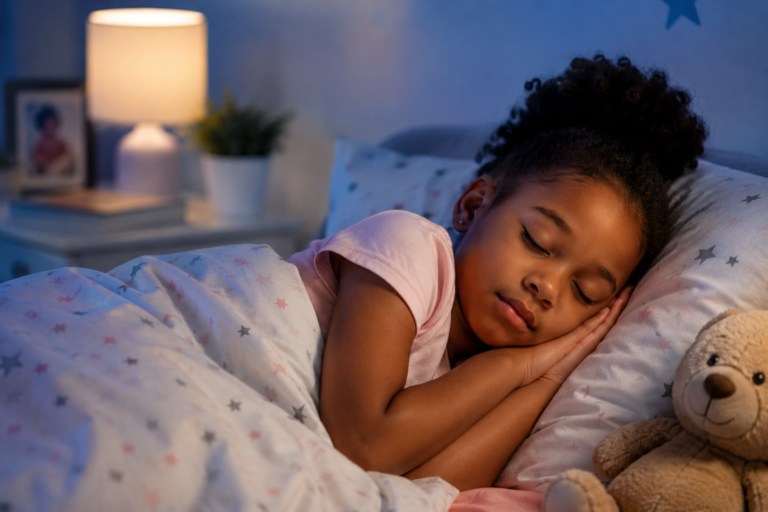
Sleep is the biggest driver for most kids.
For most children and teens, the most common reason they feel worn out after school is simple: they are not getting enough good-quality sleep. The CDC says children ages 6 to 12 should aim for 9 to 12 hours of sleep in 24 hours, while teens ages 13 to 18 should aim for 8 to 10 hours. The CDC page attributes those ranges to the American Academy of Sleep Medicine, and the AASM consensus statement is the primary source behind them.
Sleep is not only about total hours. A child can spend enough time in bed and still wake up tired if their sleep is poor quality or irregular. Going to bed too late, sleeping in much later on weekends, waking often during the night, or shifting bedtime from day to day can all contribute to daytime tiredness. The CDC also notes that good sleep hygiene and regular sleep routines matter for students’ health, focus, and academic performance.
This matters even more for teenagers. MedlinePlus notes that teens often need about 9 hours of sleep, and puberty shifts the body clock later, so many teens do not feel sleepy until later at night, even though school still starts early. That mismatch can leave teens chronically short on sleep during the week.
Screens can quietly push bedtime later.
Screens are not the only reason kids feel tired, but they often make the problem worse. Research reviews have found that screen time is commonly associated with shorter sleep duration, later bedtimes, and poorer sleep outcomes in school-age children and adolescents. A later clinical review for pediatric settings reached similar conclusions and recommended sleep-friendly screen habits.
That does not mean screens alone cause fatigue in every child. Much of the evidence is observational, so the most accurate phrasing is that screen use is associated with poorer sleep and more daytime tiredness. Still, the pattern is strong enough that reducing screen exposure before bed is a standard sleep-hygiene recommendation. The CDC specifically advises families to consider a media curfew and removing devices from the bedroom.
One reason is simple: screens can steal time from sleep. A child who plans to go to bed at 9:00 may still be watching videos, gaming, texting, or scrolling much later. Phones in the bedroom can also interrupt sleep through alerts, messages, and the temptation to check one more thing before bed.
A 2025 CDC-published study found that U.S. teens with high daily non-schoolwork screen time were more likely to report infrequent well-restedness and an irregular sleep routine. They were also more likely to report lower physical activity and poorer mental health outcomes. That study was cross-sectional, so it does not prove that screens caused those outcomes, but it supports the broader concern that heavy screen use often accompanies habits and symptoms that leave teens more tired.
School itself can be exhausting.
Children do not just get physically tired at school. They get mentally, socially, and emotionally tired too.
A full school day asks a lot from a child: attention, self-control, memory, emotional regulation, and constant transitions. Even children who seem to be doing fine may be working hard all day to keep up. By the time they get home, they may feel depleted, even if they are otherwise healthy.
Lack of sleep can make school feel harder, and school stress can make sleep worse. The CDC notes that insufficient sleep in young people is linked with attention problems, behavior problems, poor academic performance, poor mental health, obesity, type 2 diabetes, and injuries. That helps explain why a tired child may seem moody, distracted, or unusually fragile after school.
So when a child comes home drained, it does not always mean they are lazy or unmotivated. Sometimes it means they have been carrying more than adults can easily see.
Packed afternoons can chip away at rest.
After-school activities can be healthy and joyful. Sports, clubs, tutoring, music lessons, and religious programs can build confidence and community. But a packed schedule can still leave a child too tired by the end of the day, especially if it pushes bedtime later or leaves little time for rest.
The issue is not that activities are bad. The issue is overload. A child who spends all day at school and then moves straight into hours of structured demands may have very little time left to rest, eat, play freely, or wind down before bed. Over time, that can lead to lost sleep and daytime fatigue. This is consistent with CDC guidance that emphasizes regular sleep habits and sufficient sleep time in school-age children and adolescents.
Parents sometimes notice this in small ways first. Their child becomes harder to wake in the morning. Homework turns into a nightly struggle. Weekend sleep stretches longer and longer. Or the child seems irritable and flat after school but suddenly gets a second wind late at night.
Too little movement can add to fatigue.
It sounds backward, but low physical activity can also leave children feeling more sluggish. Movement supports sleep, mood, and energy regulation. The CDC links sleep to overall student health and well-being, and the 2025 CDC study on teen screen use found that greater screen time was associated with lower physical activity.
This does not mean every tired child needs intense sports. Sometimes a walk, outdoor play, biking, dancing, or active free play is enough to help. The bigger pattern for many families is too much sitting, not enough movement, and too much screen time.
Balance matters here too. Too much intense activity without enough recovery can wear some children out. But in day-to-day family life, the more common problem is inactivity paired with short sleep.
Food and hydration can affect energy too.
Sometimes a child seems tired when they are also hungry, underfueled, or dehydrated. Going long stretches without eating, skipping meals, or not drinking enough fluids can leave some children feeling low on energy later in the day. These factors may not be the main cause of after-school fatigue, but they can make an already tired child feel worse. This is best understood as practical guidance rather than a single proven explanation for chronic fatigue.
One nutrition-related issue that does deserve special attention is iron deficiency. The American Academy of Pediatrics notes that anemia can cause tiredness in children and teens. In adolescents, heavy menstrual bleeding can also contribute. That is one reason fatigue in menstruating teens deserves a closer look, especially if it comes with dizziness, headaches, pale skin, or shortness of breath.
Sometimes fatigue points to a medical issue.
Most children who are tired after school do not have a serious disease. But medical causes do happen, and they should be considered when fatigue is persistent, worsening, or out of proportion to the child’s schedule.
MedlinePlus lists several possible contributors to fatigue, including anemia, depression, insomnia, and other sleep problems, chronic pain, some medications, and thyroid conditions.
In children, sleep disorders deserve extra attention. Loud snoring, gasping, breathing pauses, restless sleep, or severe daytime sleepiness can all suggest a sleep problem that needs medical evaluation. Other signs that make a medical cause more likely include unexplained weight changes, fainting, fever, ongoing pain, frequent illness, or fatigue that keeps getting worse rather than better.
Mental health can show up as tiredness.
Tiredness is not always just about the body. It can also be a sign of emotional strain.
Children and teens with anxiety, depression, or chronic stress may complain of being tired all the time. They may seem shut down after school, stop enjoying their usual activities, or become more irritable than sad. Depression is a recognized cause of fatigue, and poor sleep is closely tied to mental health in young people.
This matters because parents may focus only on bedtime and miss the bigger issue. If a child’s tiredness comes with withdrawal, falling grades, school avoidance, frequent tears, hopelessness, or strong mood changes, emotional health should be part of the conversation.
When is after-school tiredness normal?
Some tiredness after school is normal.
School is demanding. Children spend hours concentrating, following rules, handling noise, interacting socially, and moving quickly from one task to another. Many need a quiet period when they get home. A snack, some downtime, or a little time alone does not automatically mean something is wrong.
What matters is the pattern. Tiredness becomes more concerning when it occurs most days for weeks, disrupts homework or play, leads to frequent naps, or is accompanied by other symptoms such as snoring, dizziness, mood changes, or heavy periods.
What can parents do first?
When a child seems tired all the time after school, start by looking for patterns instead of jumping to the worst-case scenario.
1. Count actual sleep hours
Compare your child’s real sleep time with age-based recommendations. Many children need earlier bedtimes than families think.
2. Keep bedtime and wake time steady
Try to keep the schedule similar on weekdays and weekends. Consistency helps the body know when to feel sleepy and when to wake.
3. Pull screens out of the bedtime routine
A screen-free stretch before bed and keeping phones out of the bedroom can help protect sleep.
4. Build in decompression time
Some children do better with a snack, quiet time, outdoor play, or a short reset before homework. A child who looks lazy may actually be overloaded.
5. Look at the weekly schedule honestly
Ask whether sports, activities, tutoring, or long commutes are leaving enough room for sleep and recovery.
6. Support regular meals, fluids, and movement
These basics are not flashy, but they matter. A child who sleeps too little, sits for hours, skips food, and drinks very little water may feel much worse by late afternoon.
7. Watch for red flags
Snoring, breathing pauses in sleep, heavy menstrual bleeding, pale skin, dizziness, mood changes, or steadily worsening fatigue should prompt a call to a clinician.
When to call a doctor
It is time to call a healthcare professional when tiredness is severe or frequent, or when it does not improve with better sleep habits and schedule changes. You should also seek care sooner if your child falls asleep in class, snores loudly, seems to stop breathing in sleep, has heavy menstrual periods, looks pale, gets dizzy, has major mood changes, or has weight loss, pain, fainting, or other ongoing symptoms.
A pediatrician may ask about sleep, mood, diet, school stress, menstrual history, medications, and symptoms that could suggest anemia or a sleep disorder. In some cases, they may recommend blood work or a sleep evaluation. This article cannot replace medical advice for a child with persistent or worsening fatigue.
The bottom line
If your child is always tired after school, the cause is usually not one thing. More often, it is a combination of too little sleep, inconsistent routines, late-night screen use, school pressure, packed afternoons, low physical activity, or emotional stress. Medical issues like anemia, depression, or sleep disorders are less common, but they are important to rule out when fatigue is persistent, worsening, or paired with red flags.
The most helpful first step is not to panic. It is paying attention. Watch sleep patterns, screen habits, school load, mood, eating, and symptoms. Small changes can make a real difference. And when they do not, that is a sign your child deserves a closer look.
Q&A
Is it normal for kids to be tired after school?
Yes, some tiredness after school is normal. School takes a lot of energy. Children spend hours focusing, following directions, handling social situations, and moving from one task to the next. Many kids need a snack, quiet time, or a short break when they get home. It becomes more concerning when tiredness happens most days for weeks, disrupts daily life, or comes with other symptoms like snoring, dizziness, or mood changes.
Why is my child tired after school even if they sleep all night?
Sleeping all night does not always mean getting enough high-quality rest. A child may still feel tired if they go to bed too late, have an irregular sleep schedule, wake often during the night, or have a sleep problem such as snoring or breathing pauses. Stress, heavy screen use before bed, packed schedules, low physical activity, and emotional strain can also make a child feel worn out even when they seem to sleep through the night.
Can too much screen time make my child more tired?
It can. Screen time, especially in the evening, is linked with later bedtimes, shorter sleep, and poorer sleep quality. Screens can delay bedtime, keep the brain alert, and interrupt sleep if devices stay in the bedroom overnight. That does not mean screens are the only cause of fatigue, but they can be an important part of the picture.
Should my child take a nap after school?
It depends on the child’s age and sleep pattern. Younger children may still need rest, but for school-age children and teens, regular after-school naps can sometimes point to not getting enough sleep at night. Long naps can also make it harder to fall asleep later. If your child naps often and still seems very tired, it is worth looking more closely at their sleep schedule and overall routine.
Could my child’s tiredness be caused by anemia?
Sometimes, yes. Anemia can cause tiredness, low energy, dizziness, headaches, pale skin, and shortness of breath. It may be more likely in children with poor iron intake or in teens with heavy menstrual periods. If your child seems tired often and also has these symptoms, talk with a healthcare professional.
When should I worry about after-school tiredness?
You should pay closer attention if the tiredness is severe, happens most days, keeps getting worse, or comes with red flags. These include loud snoring, breathing pauses during sleep, frequent naps, pale skin, dizziness, fainting, weight loss, ongoing pain, major mood changes, or falling asleep in class. Those signs suggest it is time to call a doctor.
What is the first thing parents should do?
Start by tracking patterns for a week or two. Look at bedtime, wake time, screen use, school load, after-school activities, meals, hydration, mood, and any symptoms like snoring or headaches. Often, the cause becomes clearer when you step back and look at the whole routine.
References
Centers for Disease Control and Prevention. (2024, July 2). Sleep and health. U.S. Department of Health and Human Services. https://www.cdc.gov/physical-activity-education/staying-healthy/sleep.html
Hale, L., & Guan, S. (2015). Screen time and sleep among school-aged children and adolescents: A systematic literature review. Sleep Medicine Reviews, 21, 50–58. https://doi.org/10.1016/j.smrv.2014.07.007
Hale, L., Kirschen, G. W., LeBourgeois, M. K., Gradisar, M., Garrison, M. M., Montgomery-Downs, H., Kirschen, H., McHale, S. M., Chang, A. M., & Buxton, O. M. (2018). Youth screen media habits and sleep: Sleep-friendly screen-behavior recommendations for clinicians, educators, and parents. Child and Adolescent Psychiatric Clinics of North America, 27(2), 229–245. https://doi.org/10.1016/j.chc.2017.11.014
HealthyChildren.org. (2019, January 24). Anemia in children and teens: Parent FAQs. American Academy of Pediatrics. https://www.healthychildren.org/English/health-issues/conditions/chronic/Pages/Anemia-and-Your-Child.aspx
MedlinePlus. (2024, August 19). Teenagers and sleep. U.S. National Library of Medicine. https://medlineplus.gov/ency/patientinstructions/000872.htm
MedlinePlus. (2025, May 19). Fatigue: Medical encyclopedia. U.S. National Library of Medicine. https://medlineplus.gov/ency/article/003088.htm
Paruthi, S., Brooks, L. J., D’Ambrosio, C., Hall, W. A., Kotagal, S., Lloyd, R. M., Malow, B. A., Maski, K., Nichols, C., Quan, S. F., Rosen, C. L., Troester, M. M., Wise, M. S., & Consensus Conference Panel. (2016). Recommended amount of sleep for pediatric populations: A consensus statement of the American Academy of Sleep Medicine. Journal of Clinical Sleep Medicine, 12(6), 785–786. https://doi.org/10.5664/jcsm.5866
Zablotsky, B., Ng, A. E., Black, L. I., Haile, G., Bose, J., Jones, J. R., & Blumberg, S. J. (2025). Associations between screen time use and health outcomes among U.S. teenagers. Preventing Chronic Disease, 22, 240537. https://doi.org/10.5888/pcd22.240537