Why Am I Still Tired After Sleeping 8 Hours?
Trusted, Evidence-Informed, Non-Medical Education
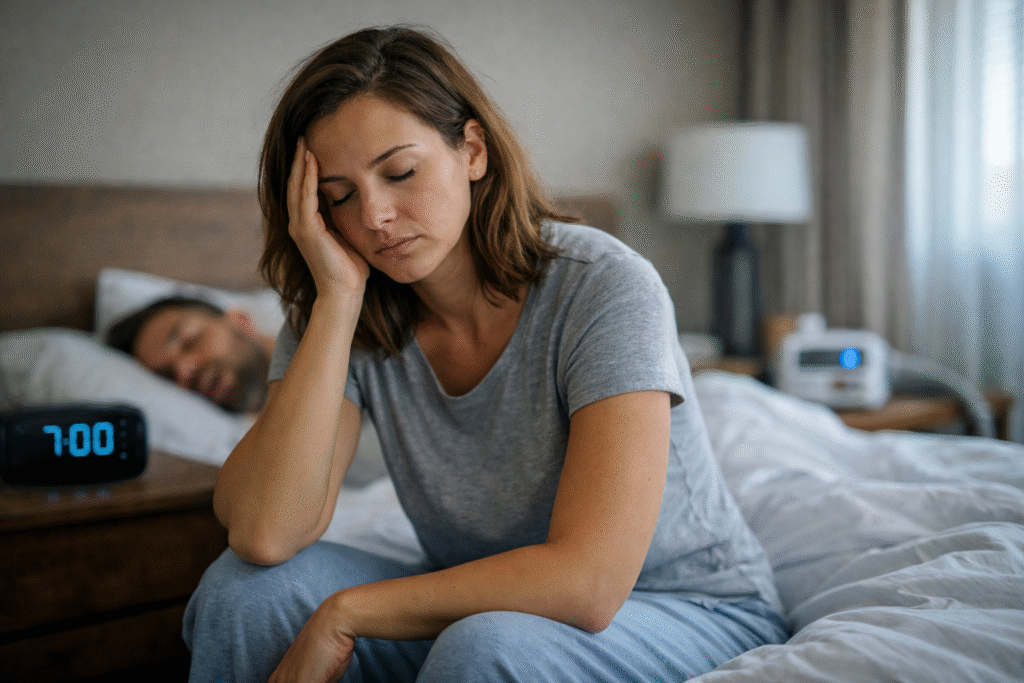
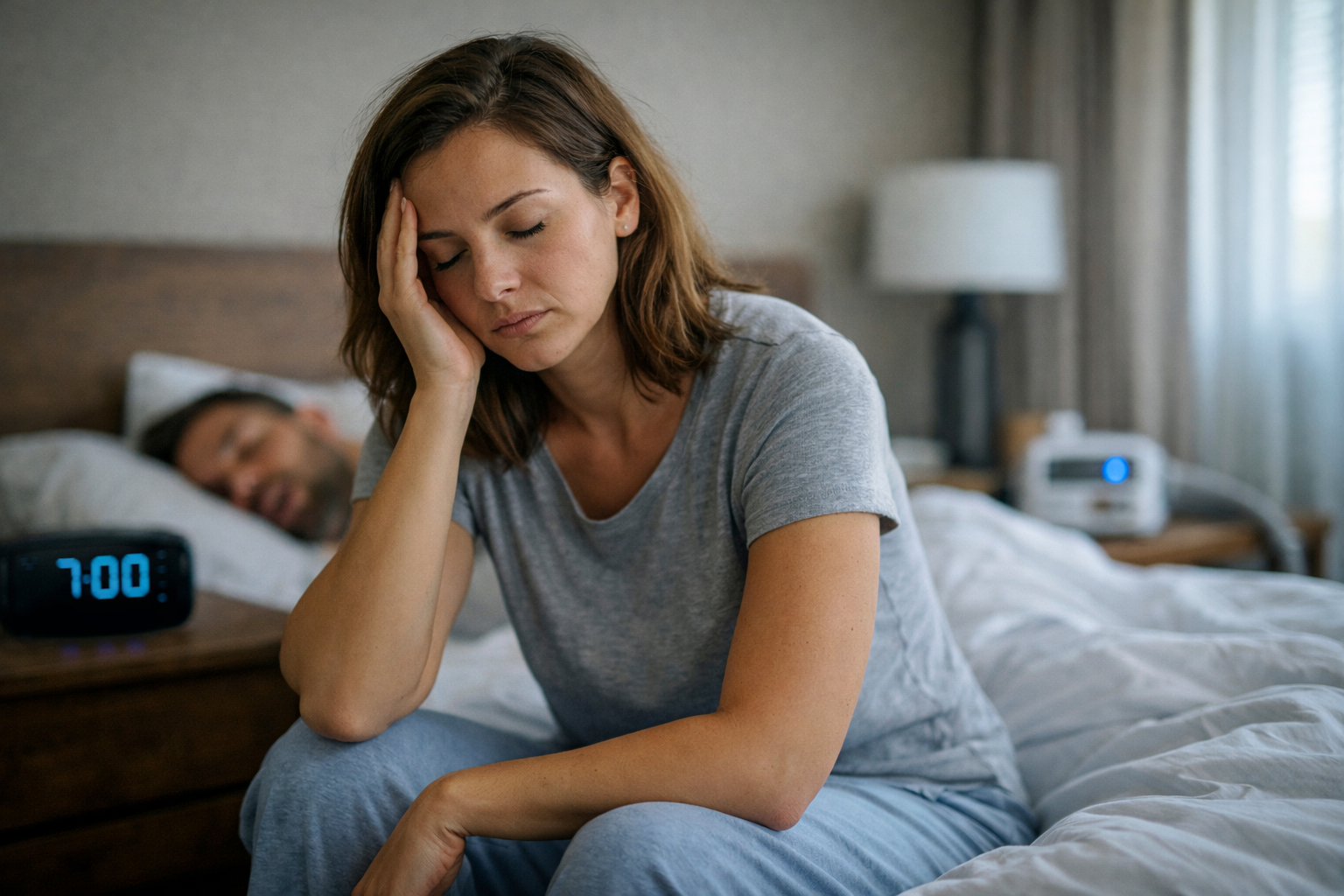
Many people who feel exhausted have one thing in common: they already sleep eight hours. That is what makes this so frustrating. Sleeping more does not help. Sleeping less does not help either. They feel stuck.
What is often missing from the conversation is not the number of hours. It is what is happening during those hours, and why the body sometimes refuses to feel restored, no matter how long you stay in bed.
Feeling tired after a full night of sleep is not laziness. It is a signal. And in most cases, once you understand that signal, it can be addressed.
- It Is Not Just About Hours — It Is About Sleep Quality
Think of sleep like nutrition. Eating for two hours does not guarantee good nourishment if the food lacks value. The same principle applies to sleep. Eight hours in bed does not automatically mean eight hours of restorative sleep.
Throughout the night, your body cycles through stages of sleep approximately every 90 minutes. Each cycle includes light sleep, deep sleep, and REM (rapid eye movement) sleep.
Deep sleep supports tissue repair, immune strength, and physical recovery.
REM sleep supports emotional processing and memory consolidation.
Both stages are essential.
The challenge is that these phases are easily disrupted. Even brief awakenings, ones you may not remember, can interrupt a sleep cycle before it completes. You may spend eight hours in bed, but you may never reach the deeper stages your body needs.
How to recognize poor sleep quality:
• Waking up foggy instead of refreshed
• Needing caffeine immediately
• Feeling physically tired despite a long night
These are not personality flaws. They are signs of fragmented sleep.
Common disruptors include:
Physical factors:
• Breathing difficulties during sleep
• Chronic pain
• Restless legs
• Night sweats
Environmental factors:
• A bedroom warmer than 67°F (19°C)
• Light exposure
• Noise disturbances
Behavioral factors:
• Alcohol (reduces sleep quality in the second half of the night)
• Caffeine (active for 5–7 hours)
• Heavy meals before bed
• Late intense exercise
Screens deserve special attention. Blue light from phones and televisions signals to the brain that it is daytime. This can delay melatonin release by one to three hours, even if you feel tired.
- Stress Keeps the Body on Alert — Even During Sleep
Sleep requires a sense of safety.
When stress remains elevated, whether from work, finances, relationships, or health concerns, the nervous system stays partially activated during the night.
Stress hormones remain higher.
Heart rate does not fully settle.
Muscles stay subtly tense.
You may fall asleep easily, but never fully enter deep restorative stages. You wake up tired, not because you didn’t sleep, but because your body never fully relaxed.
Sometimes fatigue is not about insufficient sleep. It is about a nervous system that never switched off.
- Your Body Clock May Be Out of Sync
Your circadian rhythm is a 24-hour internal clock that regulates alertness, sleep timing, hormone release, and body temperature. It is strongly influenced by light, especially morning sunlight.
When this internal clock becomes misaligned with your daily schedule, you can feel exhausted even after sleeping for many hours.
Common disruptors include:
• Night shift or rotating schedules
• Sleeping much later on weekends
• Limited morning light exposure
• Bright artificial light at night
Simple reset strategy:
Spend 10–30 minutes outdoors within one hour of waking. Even cloudy daylight provides a powerful signal to your brain that the day has begun. This habit alone can noticeably improve daytime energy when practiced consistently.
- An Undiagnosed Sleep Condition May Be the Cause
Millions of adults live with undiagnosed sleep conditions.
Sleep apnea is one of the most common. In this condition, breathing repeatedly stops and starts during sleep, sometimes hundreds of times per night. Each pause briefly activates the brain, preventing deep sleep.
It does not always present as loud snoring. Women often experience fatigue, insomnia, mood changes, or morning headaches instead of obvious breathing pauses.
Other overlooked conditions include:
• Restless Leg Syndrome
• Periodic Limb Movement Disorder
If a partner reports kicking, thrashing, or breathing pauses, a medical evaluation is appropriate.
- A Medical Issue Could Be Draining Your Energy
Fatigue is sometimes biochemical rather than behavioral.
Possible contributors include:
• Low iron
• Vitamin B12 deficiency
• Low vitamin D
• Underactive thyroid
• Blood sugar instability
• Hormonal shifts (perimenopause or menopause)
• Chronic inflammation
• Autoimmune conditions
• Mild dehydration
If fatigue persists beyond three to four weeks despite improved sleep habits, basic laboratory testing is reasonable.
- Medications Can Affect Sleep Quality
Certain medications influence sleep stages or daytime energy, including:
• Some antidepressants
• Blood pressure medications
• Antihistamines
• Steroids
• Certain pain medications
If fatigue began after starting a medication, discuss this with your healthcare provider. Do not discontinue medication without medical guidance.
- Mental Health and Physical Energy Are Closely Linked
Depression and anxiety frequently manifest as physical fatigue.
Depression may appear as:
• Oversleeping without feeling rested
• Heavy mornings
• Low motivation
Anxiety may appear as:
• Feeling wired yet exhausted
• Muscle tension
• Difficulty relaxing
Addressing sleep alone may not resolve fatigue if an underlying mental health condition is present.
- Sleeping Too Much Can Also Increase Fatigue
Regularly sleeping more than nine or ten hours can worsen grogginess, disrupt circadian rhythm, and signal underlying depression.
Both short sleep (under six hours) and long sleep (over nine hours) are associated with increased health risks. The goal is not more sleep, it is better sleep.
When to See a Doctor
Seek medical evaluation if:
• Fatigue lasts longer than three to four weeks
• It interferes with daily responsibilities
• You snore loudly or wake gasping
• You experience unexplained weight changes
• You feel persistently low or emotionally flat
• You notice new physical symptoms
Ongoing fatigue is a real symptom and deserves proper evaluation.
A 7-Day Reset: Where to Start
Wake up at the same time every day, including weekends.
Get natural light within one hour of waking for 10–30 minutes.
Avoid caffeine after early afternoon.
Allow 45–60 minutes of wind-down time before bed without screens.
Keep your bedroom cool (60–67°F / 15–19°C), dark, and quiet.
Track your energy each morning for one week on a 1–10 scale.
The Bottom Line
Sleeping eight hours and still waking up exhausted means something is interfering with restoration.
It is rarely laziness.
It is rarely permanent.
Sleep quality, stress levels, circadian rhythm alignment, nutrition, hormones, medical conditions, medications, and mental health all play a role.
Fatigue is feedback. The body is communicating.
Understanding the cause is the first step toward waking up with steady, reliable energy again.
Disclaimer
This article is for educational purposes only and does not constitute medical advice. It does not create a physician-patient relationship. Always consult a qualified healthcare provider for personalized evaluation and treatment.
References
American Academy of Sleep Medicine. (2021). International Classification of Sleep Disorders (3rd ed., text revision).
Medic, G., Wille, M., & Hemels, M. E. (2017). Short- and long-term health consequences of sleep disruption. Nature and Science of Sleep, 9, 151–161.
Walker, M. P. (2017). Sleep and human evolution. Annual Review of Psychology, 68, 27–50.
Carskadon, M. A., & Dement, W. C. (2017). Normal human sleep: An overview. In Principles and Practice of Sleep Medicine (6th ed.).
Czeisler, C. A., & Buxton, O. M. (2017). The human circadian timing system and sleep–wake regulation. Cold Spring Harbor Perspectives in Biology.
Leproult, R., & Van Cauter, E. (2010). Role of sleep and sleep loss in hormonal release and metabolism. Endocrine Development.
Cappuccio, F. P., et al. (2010). Quantity and quality of sleep and incidence of type 2 diabetes. Diabetes Care.
Peppard, P. E., et al. (2013). Increased prevalence of sleep-disordered breathing in adults. American Journal of Epidemiology.
National Institutes of Health. Sleep deprivation and deficiency.
Roehrs, T., & Roth, T. (2001). Caffeine: Sleep and daytime sleepiness. Sleep Medicine Reviews.
Ebrahim, I. O., et al. (2013). Alcohol and sleep I: Effects on normal sleep. Alcoholism: Clinical and Experimental Research.
Baglioni, C., et al. (2016). Insomnia as a predictor of depression. Journal of Affective Disorders.
National Institute of Mental Health. Depression and sleep.