15 Signs of Iron Deficiency Without Anemia in Women
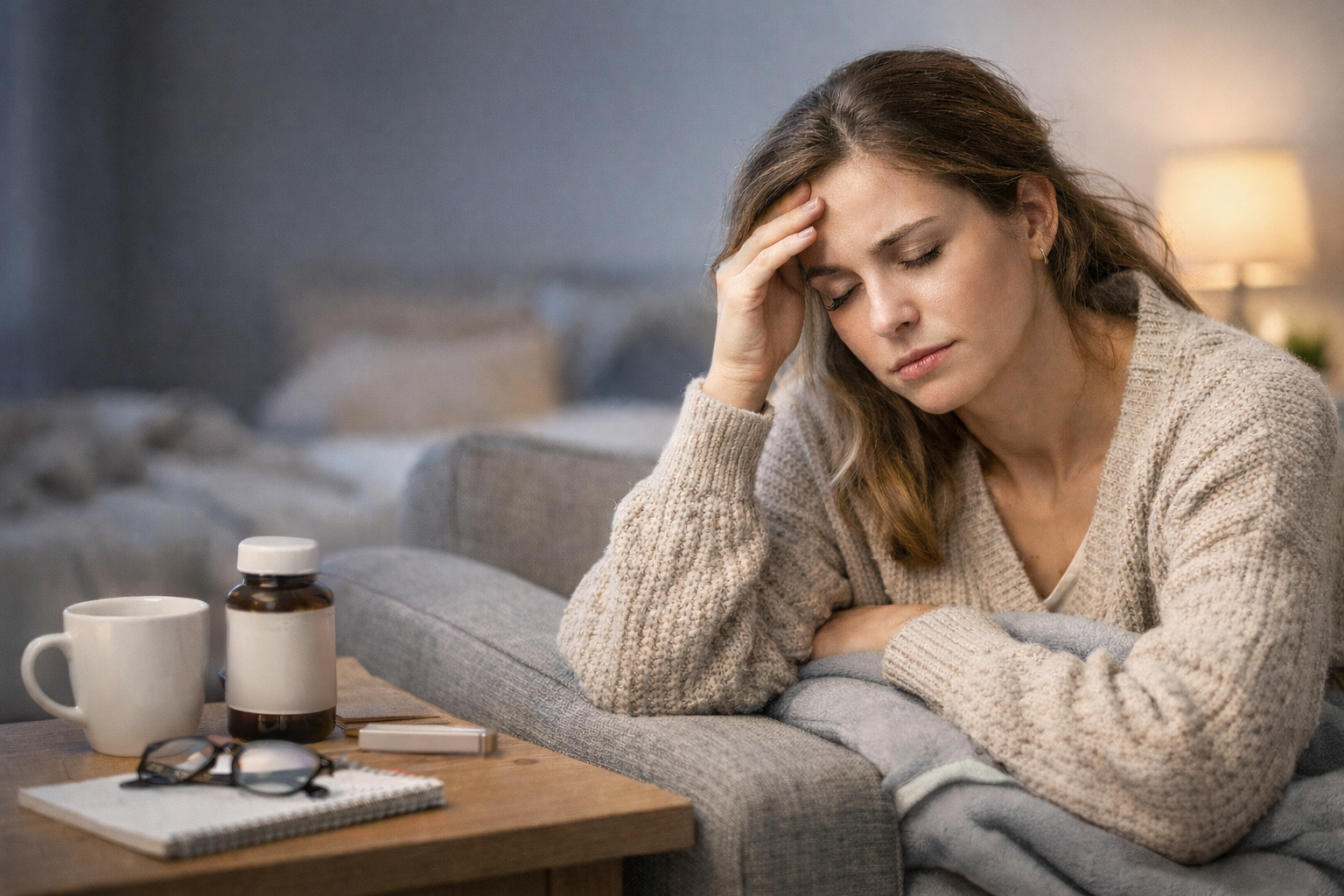
You sleep eight hours and wake up exhausted. You push through your day, running on coffee and willpower. You tell yourself you just need to slow down, rest more, stress less.
But no amount of rest makes it better.
For millions of women, this kind of relentless exhaustion is not a character flaw, a busy schedule, or a sign of aging. It may be a sign of iron deficiency, one of the most common and most overlooked causes of fatigue in women, particularly during the reproductive years.
And here is the part most women, and even many doctors, do not know: iron deficiency can cause serious, life-affecting symptoms even before anemia shows up on a routine blood test (Benson et al., 2021; Sevgi et al., 2023).
This article explains what iron deficiency really looks like, why it is so often missed, and what you can do about it.
Why Iron Matters More Than You May Think
Iron is not just a number on a lab report. It is essential for three of the most fundamental processes in your body:
- Oxygen delivery — Iron is the key component of hemoglobin, the protein in red blood cells that carries oxygen to every tissue and organ.
- Energy production — Your cells cannot produce energy efficiently without iron.
- Brain function — Iron supports neurotransmitter activity, the chemistry that governs your mood, focus, and mental clarity.
When iron stores are low, even slightly, oxygen delivery to your muscles and brain becomes less efficient. The result is fatigue, weakness, and a cognitive fog that does not respond to rest, because rest cannot fix a nutrient deficiency (Auerbach et al., 2025).
Why Women Are at Higher Risk
Iron deficiency is the most common nutritional deficiency worldwide and disproportionately affects women (Cappellini et al., 2022). The reasons are biological, not personal:
- Menstrual blood loss — Even a normal period causes monthly iron loss. Heavy periods accelerate this significantly.
- Pregnancy — Iron needs increase substantially to support the developing baby and expanding blood volume.
- Postpartum recovery — Blood loss during delivery, combined with breastfeeding, can leave new mothers severely depleted.
- Dietary insufficiency — Women who eat little red meat, follow plant-based diets, or restrict calories are at particular risk.
If you are a woman in your reproductive years and you feel chronically tired, iron should be part of the conversation.
What Iron-Deficiency Fatigue Actually Feels Like
This is not the ordinary tiredness you feel after a long week. Iron-related fatigue has a distinctive quality that women describe consistently:
- Persistent, low-grade exhaustion that does not lift
- Weakness and heaviness in the body
- Feeling completely wiped out by activities that used to feel normal, such as climbing stairs, a short walk, and a regular workday
Studies show that 80–90% of women with iron deficiency report fatigue as a primary symptom (Benson et al., 2021). Crucially, this fatigue does not improve with more sleep. It affects work performance, concentration, relationships, and quality of life, not because something is wrong with the person, but because the body is running on an insufficient fuel supply.
Brain Fog, Mood, and Mental Performance
Iron is as essential to brain health as it is to physical energy. Low iron levels are associated with:
- Difficulty concentrating and staying focused
- Memory lapses and mental sluggishness
- Irritability and emotional reactivity
- Anxiety and low mood
These are not just subjective feelings. Research shows that iron deficiency has a measurable impact on cognitive performance and emotional regulation, even in women without anemia (Sawada et al., 2014; Arshad et al., 2023). If you find yourself struggling to think clearly, losing your train of thought, or feeling more anxious or emotionally fragile than usual, low iron may be contributing to it.
Sleep Problems That Make Everything Worse
Iron deficiency does not just cause fatigue; it can also undermine the sleep that is supposed to restore you. Women with low iron commonly experience:
- Insomnia and difficulty falling asleep
- Poor, unrefreshing sleep quality
- Excessive daytime sleepiness
- Restless legs syndrome — an uncomfortable urge to move the legs at night, strongly associated with low iron stores.
The result is a compounding cycle: iron deficiency disrupts sleep, disrupted sleep worsens fatigue, and fatigue makes everything harder to manage. Breaking this cycle often starts with addressing the iron deficiency itself (Sevgi et al., 2023).
Other Physical Signs to Watch For
Iron deficiency rarely travels alone. It often presents alongside a cluster of physical symptoms that women dismiss as unrelated or simply “getting older”:
| Symptom Category | What You Might Notice |
| Temperature regulation | Feeling cold all the time; cold hands and feet. |
| Hair and skin | Increased hair shedding; brittle, spoon-shaped nails; pale skin |
| Unusual cravings | Strong urge to chew ice (pagophagia) is a classic sign. |
| Heart and circulation | Heart palpitations; dizziness when standing; frequent headaches |
| Breathing | Shortness of breath with mild exertion |
If several of these symptoms are familiar to you, that pattern matters. These are not random complaints; together, they paint a recognizable picture of iron deficiency (Sevgi et al., 2023).
The Critical Point: Iron Deficiency Without Anemia
You can have iron deficiency —with real, significant symptoms — and still have a “normal” blood count.
This is one of the most important and least understood facts about iron health.
Standard blood tests measure hemoglobin and hematocrit, components of a complete blood count (CBC). Anemia is only diagnosed when hemoglobin falls below a certain threshold. But iron is depleted in stages. Long before hemoglobin drops, iron stores are already running low, and symptoms are already present.
Research confirms that women with low iron stores but normal hemoglobin levels still experience fatigue, mood changes, poor concentration, and reduced quality of life (Sawada et al., 2014). Being told “your blood count is normal” is not the same as being told your iron levels are fine.
This distinction matters enormously. It is the reason many women spend months or years feeling terrible while being reassured that their labs look normal.
Does Iron Treatment Actually Help?
Yes — and the evidence is clear.
Clinical studies show that iron supplementation in women with iron deficiency, including those without anemia, produces meaningful improvements in:
- Fatigue levels (often within 2–4 weeks of starting treatment)
- Cognitive performance and concentration
- Mood and emotional well-being
- Overall quality of life
These benefits persist even when the change in hemoglobin is small, confirming that restoring iron stores, not just correcting anemia, drives improvement (Sharma et al., 2016; Fernández-Jiménez et al., 2020).
Most women begin noticing a difference in energy within two to four weeks of consistent iron supplementation. Full restoration of iron stores typically takes three to six months, depending on the degree of deficiency and the form of iron used.
When Should You Ask to Be Checked?
Consider asking your doctor to evaluate your iron levels if you have:
- Persistent, unexplained fatigue that does not improve with rest
- Brain fog, poor focus, or memory problems
- Hair loss or brittle nails
- Feeling cold most of the time
- Restless legs at night or poor sleep quality
- Shortness of breath with normal activity
- Heavy menstrual periods, recent pregnancy, or delivery
What Tests to Ask For
A standard blood test measures hemoglobin and hematocrit, components of a complete blood count (CBC), which is not enough to rule out iron deficiency. Ask specifically for:
- Ferritin — measures your iron storage levels; this is the most sensitive early indicator
- Transferrin saturation (TSAT) — measures how much iron is actively available for use
These two tests can detect iron deficiency before anemia develops and before your blood count shows anything abnormal (Cappellini et al., 2022). If your doctor orders only a CBC, it is appropriate to ask whether ferritin should also be checked, given your symptoms.
What You Can Do Starting Today
At home:
- Eat iron-rich foods regularly: red meat, poultry, seafood, lentils, beans, tofu, dark leafy greens
- Pair iron-rich foods with vitamin C (citrus, tomatoes, bell peppers) to enhance absorption
- Avoid tea, coffee, and calcium-rich foods within 1–2 hours of iron-rich meals or iron supplements, as these significantly reduce absorption
- Track your symptoms: fatigue severity, sleep quality, mood, focus; this data helps your doctor
With your healthcare provider:
- Request ferritin and TSAT testing if fatigue is persistent and unexplained
- Do not start iron supplementation without guidance; too much iron has its own risks, and the right dose depends on your levels and cause
- Ask about the underlying cause if the deficiency is confirmed, identifying whether it is dietary, menstrual, or related to absorption, as this affects how it is treated.
Women are too often told their fatigue is normal. That is stress. They need to sleep more, slow down, and manage their expectations.
But persistent fatigue is not a personality trait. It is a symptom. And iron deficiency is one of the most common, most treatable, and most frequently missed explanations for it.
You do not have to be anemic to be iron-deficient. You do not have to accept exhaustion as your baseline. And you deserve a healthcare conversation that goes beyond “your CBC looks fine.”
Conclusion
If you feel chronically tired and cannot explain why, consider investigating iron deficiency. It is common, often missed in routine testing, and highly treatable.
Sometimes the reason you feel so exhausted is not that you are doing too much. It is because your body does not have enough iron to support everything you are already doing.
Getting checked is a simple step. Feeling better is entirely possible.
Disclaimer
This article is for educational purposes only and is not a substitute for professional medical advice, diagnosis, or treatment. Always speak with a qualified healthcare professional about symptoms, testing, or treatment decisions.
References
Arshad, H., et al. (2023). Psychiatric manifestations of iron deficiency anemia: A literature review. European Psychiatry, 66(1).
Auerbach, M., Adamson, J. W., & others. (2025). Iron deficiency in adults: A review. JAMA. (Please verify on PubMed before publishing)
Benson, C. S., et al. (2021). The effect of iron deficiency and anemia on women’s health. Anesthesia, 76(S1), 84–95.
Cappellini, M. D., et al. (2022). Iron metabolism and iron deficiency anemia in women. Fertility and Sterility, 118(4), 607–614.
Fernández-Jiménez, M., et al. (2020). Iron deficiency in menstruating adult women: Much more than anemia. Women’s Health Reports, 1(1), 26–35.
Sawada, T., et al. (2014). Iron deficiency without anemia is associated with anger and fatigue. Biological Trace Element Research, 159(1–3), 22–31.
Sevgi, M., et al. (2023). Symptomatic iron deficiency without anemia: An underrecognized phenomenon. Blood. (Please verify on PubMed before publishing)
Sharma, R., et al. (2016). Intravenous iron therapy reduces fatigue in non-anemic iron-deficient women. American Journal of Hematology, 91(9), 973–977.